Categories
What Problems Can Poor Film Selection Cause During Mattress Packing?
Discover how poor mattress packing film selection can cause tearing, weak seals, feeding problems, product damage, and higher operating costs.
Oct 12th,2026
23 Views
What Problems Can Poor Film Selection Cause During Mattress Packing?
Choosing the right packing film is essential for protecting mattresses during compression, storage, and transportation. The wrong film thickness, material, width, or mechanical properties can lead to packing defects, production interruptions, and higher operating costs.
For mattress manufacturers, selecting suitable PE mattress packing film helps improve packing consistency, reduce material waste, and protect finished products throughout the supply chain.
1. Film Tearing During Compression
One of the most common problems caused by unsuitable film is tearing during compression or rolling. When film strength is insufficient for the packing conditions, it may not withstand the tension and pressure applied during the process.
Mattresses with rigid edges, heavy constructions, or uneven surfaces can place additional stress on the film.
Possible consequences include:
-
Interrupted packing operations
-
Increased film consumption
-
Damaged or exposed mattress surfaces
-
Additional labor for repacking
To reduce these risks, manufacturers should evaluate film tensile strength, elongation, puncture resistance, and thickness according to the mattress type and machine settings.
2. Poor Sealing and Package Leakage
Film compatibility with the machine's sealing system is another important consideration. If the selected film does not seal properly under the machine's operating conditions, the finished package may develop weak seams or openings.
Poor sealing can allow air to enter compressed mattress packages, potentially affecting package shape and stability. Open seams may also reduce protection against dust and moisture during handling.
To improve sealing performance, mattress manufacturers should verify the film's sealing characteristics and adjust temperature, pressure, and sealing time according to the equipment manufacturer's recommendations.
3. Wrinkles and Uneven Film Feeding
Incorrect film width, inconsistent thickness, or unsuitable film properties can cause feeding instability during automatic packing.
For example, film that is too wide for the wrapping configuration may create excessive folds, while film that is too narrow may not provide sufficient coverage or sealing allowance.
These problems can result in:
-
Uneven package appearance
-
Misaligned seals
-
Frequent machine adjustments
-
Increased production downtime
Before ordering film in bulk, confirm the required width, thickness, roll diameter, core size, and film format with the packing machine supplier.
4. Insufficient Protection During Storage and Transportation
Mattresses may pass through multiple handling stages before reaching the end customer. If the film provides insufficient protection, dust, moisture, friction, or contact with other packages may affect the condition of the packed product.
The required level of protection depends on transportation distance, storage duration, warehouse conditions, and shipping methods.
Mattress manufacturers should evaluate film strength, integrity, and suitability for the intended logistics environment. For long-distance transportation or extended storage, testing the complete packing system can help identify potential weaknesses before shipment.
5. Film Stretching or Deformation
Film flexibility and elongation influence how it behaves during packing. A film with unsuitable mechanical properties may stretch excessively, deform unevenly, or fail to maintain the desired package structure.
This can be particularly important in compression roll packing, where the film must accommodate the packing process without compromising package integrity.
Choosing film based only on price or thickness may overlook important performance differences. Manufacturers should consider the combined effects of material composition, film structure, thickness, and machine settings.
6. Increased Film Consumption and Operating Costs
Poor film selection does not always cause an obvious packing failure. Sometimes, the main problem is excessive material consumption.
For example, film that is unnecessarily thick may increase the cost per mattress without providing a meaningful improvement in performance. Conversely, film that is too thin may cause repeated tearing and repacking, increasing total consumption.
A practical way to evaluate film cost is to consider the total packing cost rather than the purchase price alone.
Important factors include:
-
Film consumption per mattress
-
Packing defects and rejection rates
-
Machine downtime
-
Labor required for repacking
-
Storage and transportation protection
The most economical film is the one that meets the required performance standards consistently at a reasonable overall cost.
Not every PE film is suitable for every mattress packing machine. Different machines may require specific film widths, roll dimensions, material characteristics, or sealing properties.
Film that does not match these requirements may cause unstable feeding, inconsistent sealing, or difficulty maintaining a reliable packing cycle.
Before selecting a supplier, mattress manufacturers should provide the machine model, mattress dimensions, packing method, and expected production volume. These details help the supplier assess whether the proposed film is appropriate for the application.
For compression roll packing machines, it is especially important to verify that the film can withstand the actual compression and rolling process.
8. How to Avoid Film Selection Problems
A systematic selection process can help mattress factories avoid unnecessary packing defects.
Step 1: Identify the mattress specifications. Record mattress dimensions, thickness, weight, construction, and surface characteristics.
Step 2: Confirm machine requirements. Check the recommended film width, thickness range, roll specifications, feeding method, and sealing requirements.
Step 3: Evaluate film properties. Consider tensile strength, puncture resistance, elongation, flexibility, and sealing performance.
Step 4: Conduct a packing trial. Test the film under normal production conditions and inspect the finished packages for tears, wrinkles, weak seals, and deformation.
Step 5: Review total operating costs. Compare film consumption, packing stability, defect rates, and material prices before making a bulk purchasing decision.
Working closely with the film supplier and packing machine manufacturer can help establish a consistent specification for ongoing production.
Conclusion
Poor film selection can cause tearing, weak seals, unstable feeding, insufficient product protection, excessive material consumption, and compatibility problems with mattress packing machines.
To avoid these issues, mattress manufacturers should select film based on actual product requirements, machine specifications, and transportation conditions rather than price or thickness alone. Proper testing before bulk purchasing can improve packing consistency and help control operating costs.
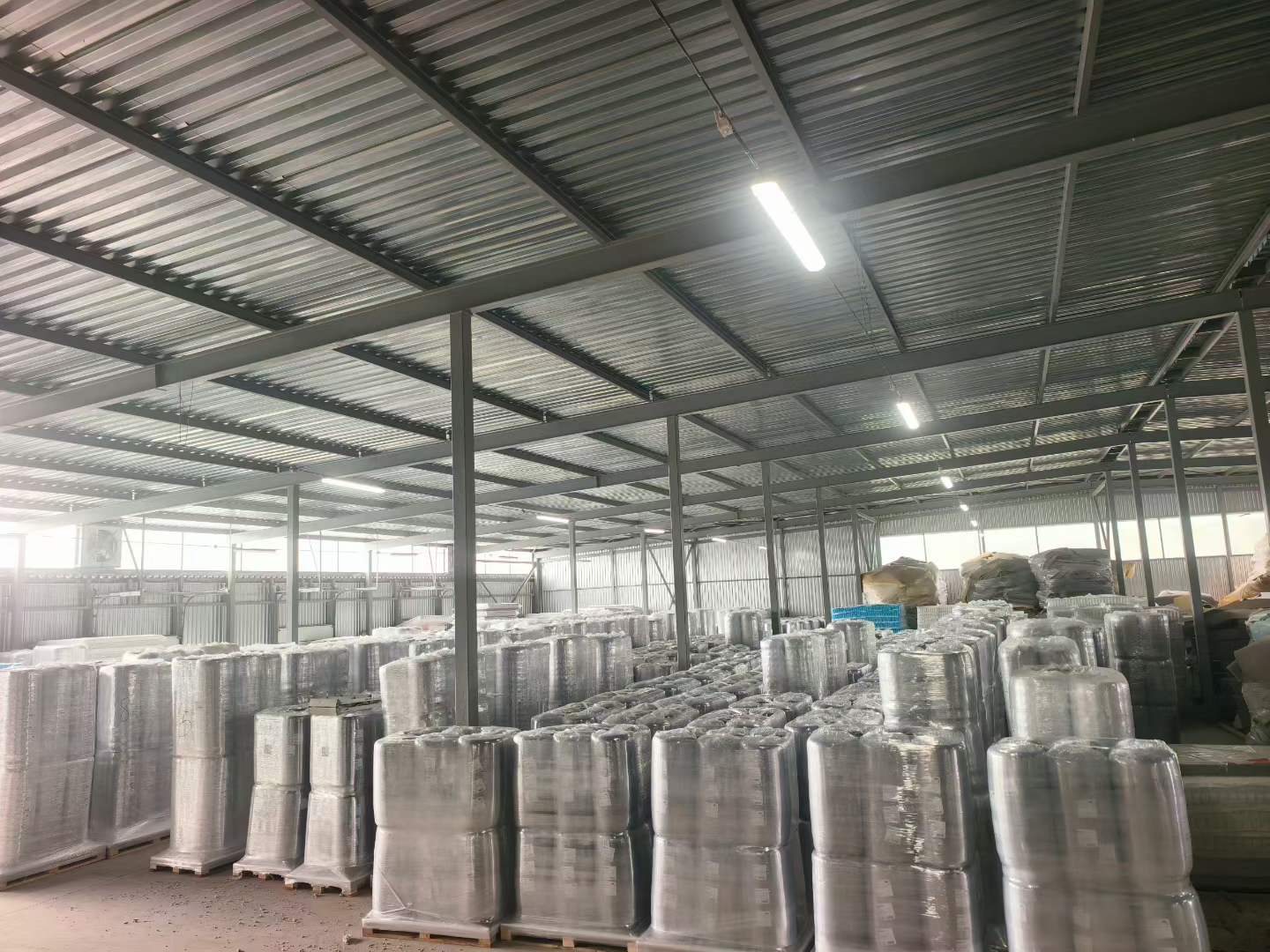
NAIGU Films provides PE film solutions for mattress and furniture packing applications. Whether you need film for conventional mattress wrapping or a compression roll packing line, selecting the right specifications is an important step toward reliable packing performance.
Contact our team with your mattress dimensions, packing machine model, required film width and thickness, and estimated order quantity.
📧 Email: jenney@gdnaimei.com
📱 WhatsApp/Phone: +86 13924835577
🌐 Website: https://naigumattressmachine.com


