Categories

How to Match Mattress Film Size with Packing Machine Requirements |NAIGU

Learn how to match mattress film width, thickness, roll diameter, core size, and material properties with packing machine requirements for efficient mattress packing.
Oct 12th,2026 23 Views
Choosing the correct mattress packing film size is essential for achieving stable machine operation, reliable sealing, and efficient material use. If the film is too narrow, it may not provide sufficient coverage. If it is too wide or the roll dimensions are incompatible with the machine, wrinkles, feeding problems, and unnecessary material waste may occur.
For mattress manufacturers, the best approach is to match film specifications with mattress dimensions, packing methods, and machine requirements before placing a bulk order.
1. Measure Mattress Dimensions Accurately
The first step is to identify the size range of the mattresses being packed. Different mattress dimensions require different film specifications, particularly when a factory produces multiple sizes.
Important measurements include:
  • Mattress width: Determines the film coverage required across the mattress.
  • Mattress length: Affects the wrapping layout and film consumption.
  • Mattress thickness: Influences the amount of film needed to cover the product.
  • Mattress weight and construction: Help determine the required film strength and puncture resistance.
Manufacturers should consider their largest and thickest mattress models when selecting film. This helps ensure that the film can accommodate the full product range.
2. Match Film Width with the Packing Method
Film width requirements depend on how the mattress is packed. Flat compression, vacuum compression, and compression roll packing may use different film formats and feeding arrangements.
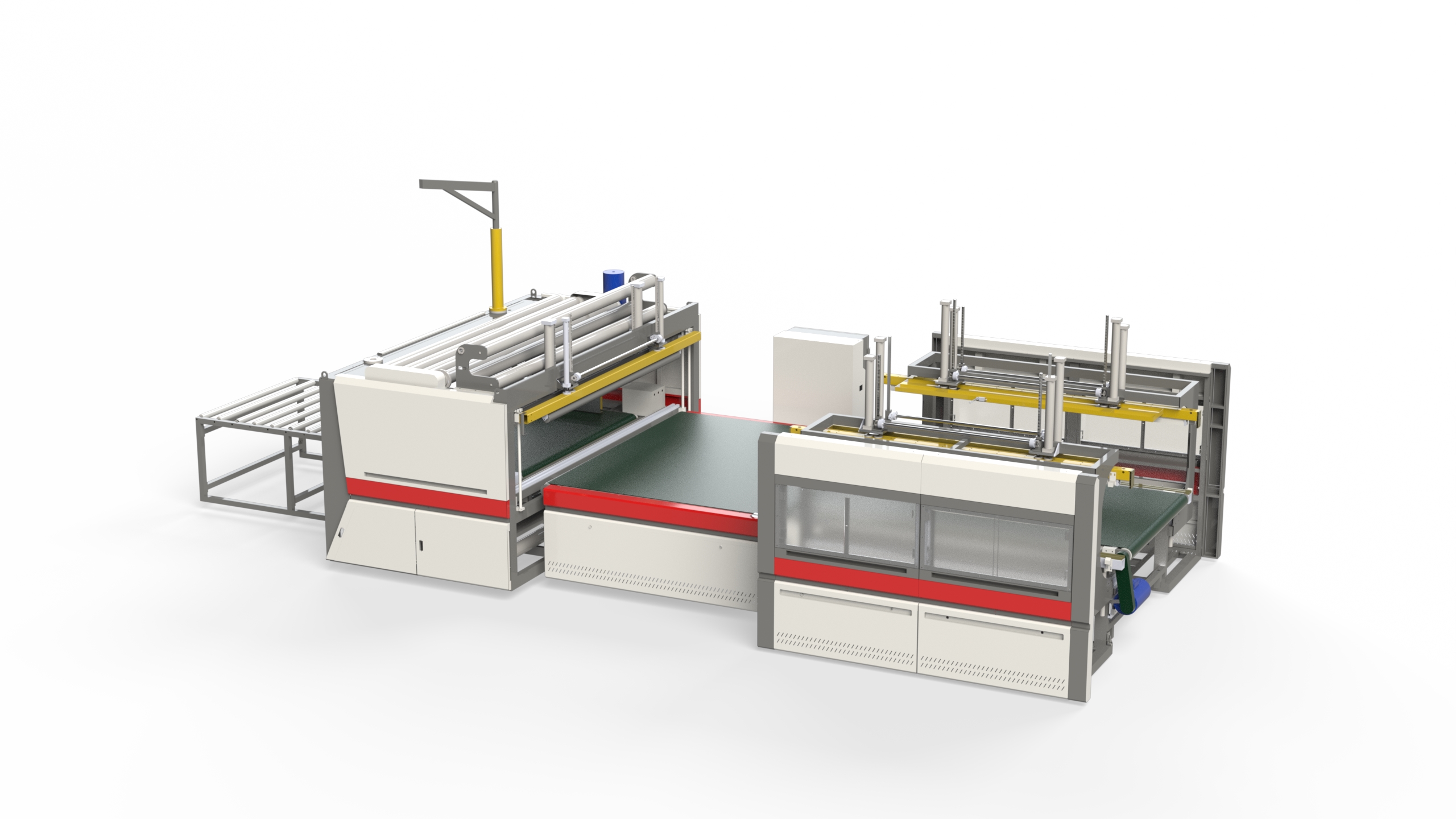
For mattress compression roll packing machines, the film must provide sufficient coverage throughout the compression and rolling process. The required width depends on the machine design, mattress dimensions, wrapping method, and sealing allowance.
Before ordering, confirm the following details with the machine supplier:
  • Recommended film width range
  • Maximum and minimum film roll dimensions
  • Film feeding and wrapping method
  • Required sealing allowance
  • Whether flat film, folded film, or tubular film is needed
Important: Do not calculate film width based on mattress width alone. Always use the machine manufacturer's specifications and the actual packing configuration to determine the final size.
3. Select the Appropriate Film Thickness
Film thickness affects packing strength, flexibility, material consumption, and overall cost. The ideal thickness depends on both the mattress and the packing process.
For example, lightweight foam mattresses may have different film requirements from heavier pocket spring mattresses. Products with rigid edges or components that create concentrated pressure may require film with better puncture resistance.
When selecting mattress packing film, consider:
  • Mattress weight and construction
  • Compression level
  • Film tensile strength and elongation
  • Puncture and tear resistance
  • Sealing performance
  • Storage and transportation conditions
Using thicker film does not automatically guarantee better packing performance. The goal is to select a film that provides sufficient protection while maintaining reasonable material costs.
4. Check Roll Diameter, Core Size, and Roll Weight
Film width and thickness are only part of the specification. The physical dimensions of the film roll must also match the machine's unwinding system.
Before purchasing mattress packing film, confirm these parameters:
Roll diameter: The maximum outer diameter must fit within the machine's roll holder and unwinding system.
Core size: The inner diameter of the paper or plastic core must match the machine shaft.
Roll weight: The machine must be able to support the loaded roll safely and feed the film consistently.
Film length: Longer rolls may reduce the frequency of film changes, provided the roll weight and diameter remain within the machine's limits.
Incorrect roll specifications can cause installation difficulties, feeding interruptions, or unnecessary production downtime.
5. Match Film Properties with Sealing and Compression Requirements
A suitable film must perform reliably throughout the packing process, not just fit the machine physically.
For mattress compression roll packing, the film may experience tension, stretching, folding, and contact with different mattress surfaces. Its mechanical properties should support the required packing method.
PE film, including LDPE, LLDPE, and co-extruded PE film, may be considered depending on the application and machine configuration.
Before confirming a film specification, check:
  • Compatibility with the machine's sealing system
  • Film feeding stability and flexibility
  • Resistance to punctures and tearing
  • Seal strength after packing
  • Performance during handling and transportation
Film material and thickness should be evaluated together. A film that works well on one packing machine may not deliver the same results on another machine with different feeding or sealing requirements.
6. Test Film Compatibility Before Bulk Purchasing
A trial run is one of the most effective ways to verify whether the selected film matches the machine.
Mattress manufacturers should evaluate the film under normal production conditions and inspect the finished packages.
A practical test should include:
  1. Confirming that the roll can be installed correctly.
  2. Checking whether the film feeds smoothly without excessive wrinkles.
  3. Observing film performance during compression and rolling.
  4. Inspecting the sealed areas for weak seals or leakage.
  5. Checking the finished package after handling and transportation.
  6. Recording film consumption and any packing defects.
If the film tears, feeds unevenly, or produces inconsistent seals, review the film specification and machine settings before ordering a larger quantity.
7. Prepare the Right Specifications for Your Film Supplier
Providing complete technical information helps suppliers recommend suitable film sizes and prepare more accurate quotations.
Before requesting a quotation, prepare the following information:
Specification
Information to Provide
Mattress dimensions
Width, length, and thickness
Mattress type
Foam, memory foam, latex, or pocket spring
Packing method
Flat compression, vacuum compression, or roll packing
Machine information
Brand, model, or technical specifications
Film material
LDPE, LLDPE, or co-extruded PE
Film dimensions
Required width and thickness
Roll specifications
Core size, maximum diameter, and roll weight
Order quantity
Estimated monthly or annual consumption
If you are purchasing a new mattress packing machine, discuss the film specifications with the machinery supplier before finalizing the order. This helps ensure that the machine and packing material are compatible from the beginning.
Conclusion

Matching mattress film size with packing machine requirements involves more than choosing the correct width and thickness. Mattress dimensions, packing methods, roll specifications, film strength, sealing performance, and machine compatibility all affect the final result.
By confirming technical requirements and conducting actual packing tests, mattress manufacturers can reduce material waste, improve packing consistency, and avoid unnecessary production interruptions.
Contact NAIGU for Mattress Packing Film Solutions
NAIGU provides PE packing film solutions for mattress and furniture manufacturers. Whether you need film for an existing compression roll packing machine or are planning a new mattress packing line, our team can help you evaluate the appropriate specifications for your application.
Contact us with your mattress dimensions, machine model, required film width and thickness, and estimated order quantity.
📧 Email: jenney@gdnaimei.com
📱 WhatsApp/Phone: +86 13924835577
🌐 Website: https://naigumattressmachine.com 
Need Help Choosing the Right Machine ?
Full Name :
Your Email : *
WhatsApp/Phone:
Message: *
Verification Code *
Verification Code