Categories
How Compressed Sofa Delivery Supports Direct-to-Consumer Furniture Sales |NAIGU
Learn how compressed sofa delivery helps DTC furniture brands improve shipping efficiency, warehouse utilization, order fulfillment, and customer delivery experiences.
Oct 12th,2026
33 Views
Direct-to-consumer (DTC) furniture sales allow sofa manufacturers to sell directly to customers through their own websites and online marketplaces, reducing reliance on traditional retail channels. However, shipping bulky furniture directly to individual customers can create challenges, including high transportation costs, warehouse space limitations, and complicated last-mile delivery.
Compressed sofa delivery offers a practical solution for suitable sofa designs. By reducing product volume through compression and roll packing, manufacturers can improve shipping efficiency, simplify storage, and support more flexible online furniture sales.
1. Reduce Shipping Volume for Online Sofa Orders
Sofas are typically bulky products that require substantial space during storage and transportation. Shipping fully assembled or unpacked sofas can increase freight costs and limit the number of products transported in each vehicle.
Sofa compression roll packing machines reduce the volume of compatible sofas by compressing and rolling them into more compact packages.
For DTC furniture businesses, this can offer several advantages:
-
More efficient use of truck and warehouse space
-
Potential reductions in volume-based shipping costs
-
Easier handling of packed products
-
Improved flexibility when fulfilling individual customer orders
Actual savings depend on sofa construction, package dimensions, carrier pricing, and transportation methods. Manufacturers should conduct packing trials to determine the achievable compression ratio and final package size.
2. Improve Warehouse Efficiency for DTC Brands
Online furniture brands often need to manage a wide range of sofa models, colors, fabrics, and configurations. Storing bulky finished products can limit inventory capacity and increase warehouse operating costs.
Compressed sofa delivery helps reduce the space required for suitable products, allowing businesses to organize inventory more efficiently.
With an appropriate storage system, DTC sofa brands may be able to:
-
Store more packed products within the available warehouse area
-
Organize different models and order batches more effectively
-
Simplify inventory movement and order preparation
-
Reduce unnecessary handling between production and dispatch
A more compact product format can be particularly useful for brands managing multiple product variations or fulfilling orders from regional distribution centers.
3. Support Direct Shipping to Individual Customers
Traditional furniture distribution often involves shipping large quantities to retailers or distributors. DTC businesses, by contrast, frequently need to deliver individual orders directly to residential addresses.
Compressed and roll-packed sofas can be easier to handle than bulky, unpacked furniture, depending on their dimensions and weight. This may create more delivery options and simplify coordination with logistics providers.
For example, a sofa manufacturer selling through an online store may use compression roll packing to prepare products for shipment from its factory or fulfillment center directly to customers.
Before adopting this method, businesses should confirm package weight, dimensions, carrier limits, and handling requirements. A compact package does not automatically qualify for parcel delivery.
4. Improve the Customer Delivery Experience
Delivery is an important part of the online furniture purchasing experience. Customers may have limited space in hallways, elevators, staircases, or apartment entrances.
A suitably compressed sofa package can be easier to transport through these spaces than a fully assembled sofa.
For DTC brands, potential benefits include:
-
More manageable package dimensions
-
Easier movement through narrow access points
-
Greater flexibility in delivery arrangements
-
A convenient unpacking process for suitable sofa designs
However, compression must be compatible with the sofa's foam, frame, upholstery, and internal structure. Manufacturers should validate recovery performance and product quality after unpacking to ensure that convenience does not compromise customer satisfaction.
5. Help Sofa Manufacturers Control Fulfillment Costs
DTC businesses must manage multiple cost components, including manufacturing, packing materials, warehousing, freight, returns, and customer service.
Compressed sofa delivery can help optimize some of these costs by reducing package volume and improving material flow.
A comprehensive cost evaluation should consider:
Cost Factor
|
Potential Benefit
|
Transportation
|
Better use of available shipping space
|
Warehousing
|
Lower space requirements for compatible packed sofas
|
Handling
|
Easier movement of compact packages
|
Packing operations
|
More consistent workflows with suitable automation
|
Order fulfillment
|
Improved coordination between packing and dispatch
|
The actual financial impact depends on the product, production volume, labor costs, equipment investment, and logistics arrangements. Businesses should compare total fulfillment costs before and after implementation rather than evaluating freight savings alone.
6. Use Automated Sofa Packing to Scale Online Sales
As DTC order volumes grow, manual packing may become a bottleneck between sofa production and shipment. Automated equipment can help standardize the compression, wrapping, sealing, and roll packing process for suitable products.
A sofa compression roll packing machine may support more consistent output and reduce repetitive manual handling. For larger manufacturers, integrating packing equipment with conveyors and upstream production processes can help create a more coordinated workflow.
When selecting equipment, manufacturers should evaluate:
-
Sofa dimensions and construction
-
Required packing speed and daily output
-
Compression and roll packing requirements
-
Film specifications and sealing performance
-
Available factory space
-
Integration with existing production equipment
Automation should be selected according to actual production needs. A properly matched packing solution can support business growth while maintaining consistent product quality.
7. Choose the Right Packing Method for Each Sofa Design
Not every sofa is suitable for compression roll packing. Sofa frames, spring systems, foam density, upholstery materials, and construction methods can affect whether a product can be compressed safely.
Before introducing compressed sofa delivery, manufacturers should test representative products and confirm that they can recover their intended shape and comfort characteristics after unpacking.
The evaluation should include compression limits, package stability, material compatibility, recovery time, and transportation durability.
For products that cannot tolerate compression, alternative packing methods may be more appropriate. Selecting the right process for each sofa design helps protect product quality and reduce the risk of returns.
Conclusion
Compressed sofa delivery can help DTC furniture businesses address the challenges of shipping bulky products directly to customers. By reducing the volume of suitable sofas, compression roll packing can improve warehouse utilization, support more efficient transportation, and simplify order fulfillment.
For manufacturers planning to expand their online sales channels, the key is to combine suitable sofa designs, validated compression methods, and reliable packing equipment. This creates a more efficient delivery process while maintaining product quality and customer satisfaction.
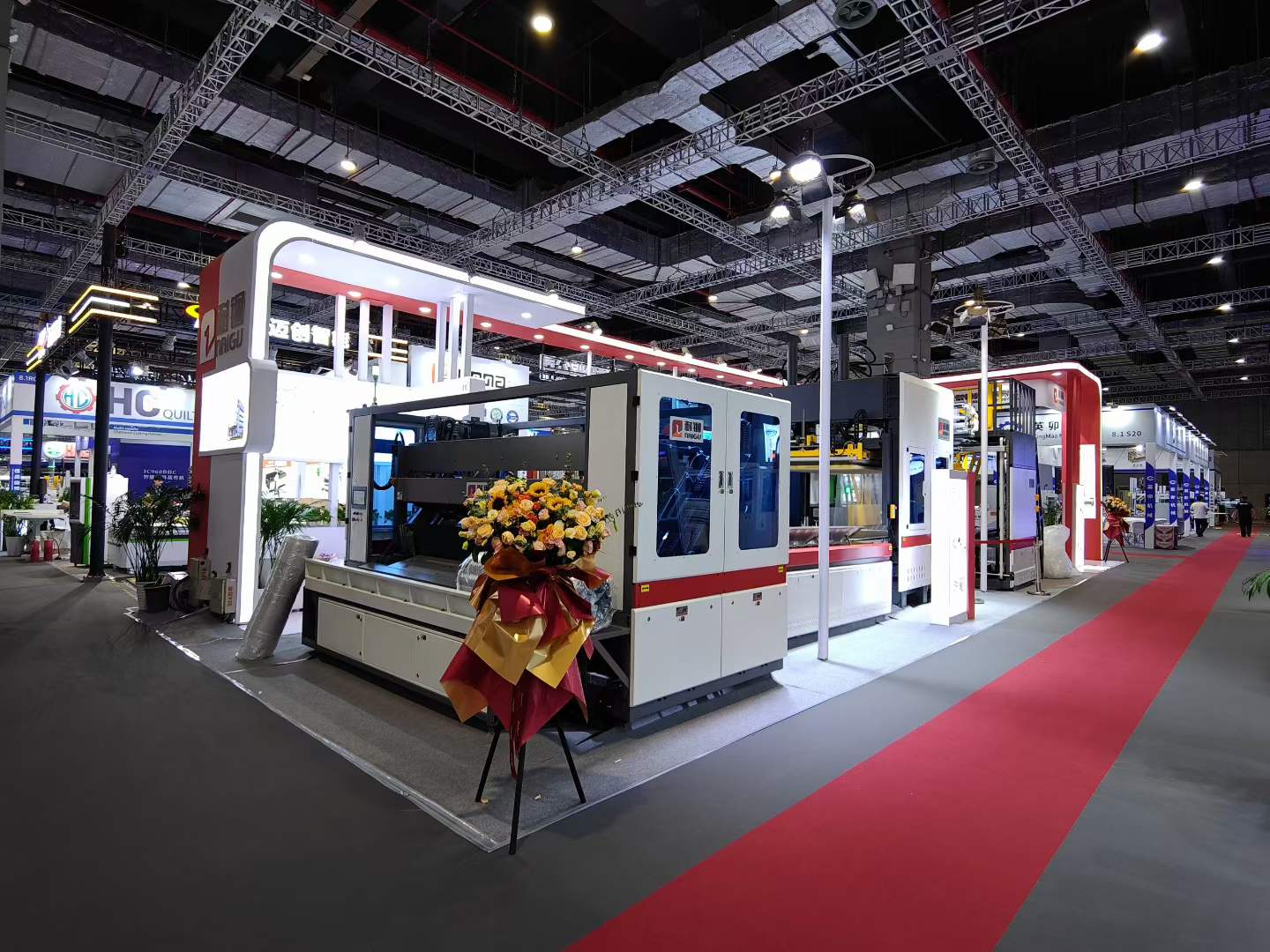
NAIGU provides sofa compression and roll packing machinery for furniture manufacturers looking to improve packing efficiency and transportation preparation.
Whether you are supplying online furniture brands, developing a DTC sales channel, or upgrading an existing sofa production line, our team can help evaluate a suitable packing solution based on your products and production requirements.
Contact NAIGU with your sofa dimensions, construction details, daily output, and packing requirements to discuss the available options.


