Categories
What Factors Determine the Compression Performance of a Mattress Machine? |NAIGU
Discover the key factors affecting mattress compression machine performance, including foam density, compression force, mattress structure, packing film, and recovery quality.
Oct 10th,2026
28 Views
Mattress compression performance is an important consideration for manufacturers looking to reduce packing volume, improve transportation efficiency, and maintain product quality. However, the performance of a mattress compression machine depends on more than its maximum pressing force. Mattress materials, internal structure, compression settings, packing film, and machine configuration all influence the final result.
Understanding these factors helps mattress manufacturers select suitable equipment and establish reliable compression and roll packing processes.
1. Mattress Materials and Density
The materials used in a mattress directly affect how easily it can be compressed and how well it recovers after unpacking.
Polyurethane foam, memory foam, latex, and spring systems have different mechanical properties. Even mattresses made from the same general material can behave differently because of variations in density, formulation, thickness, and construction.
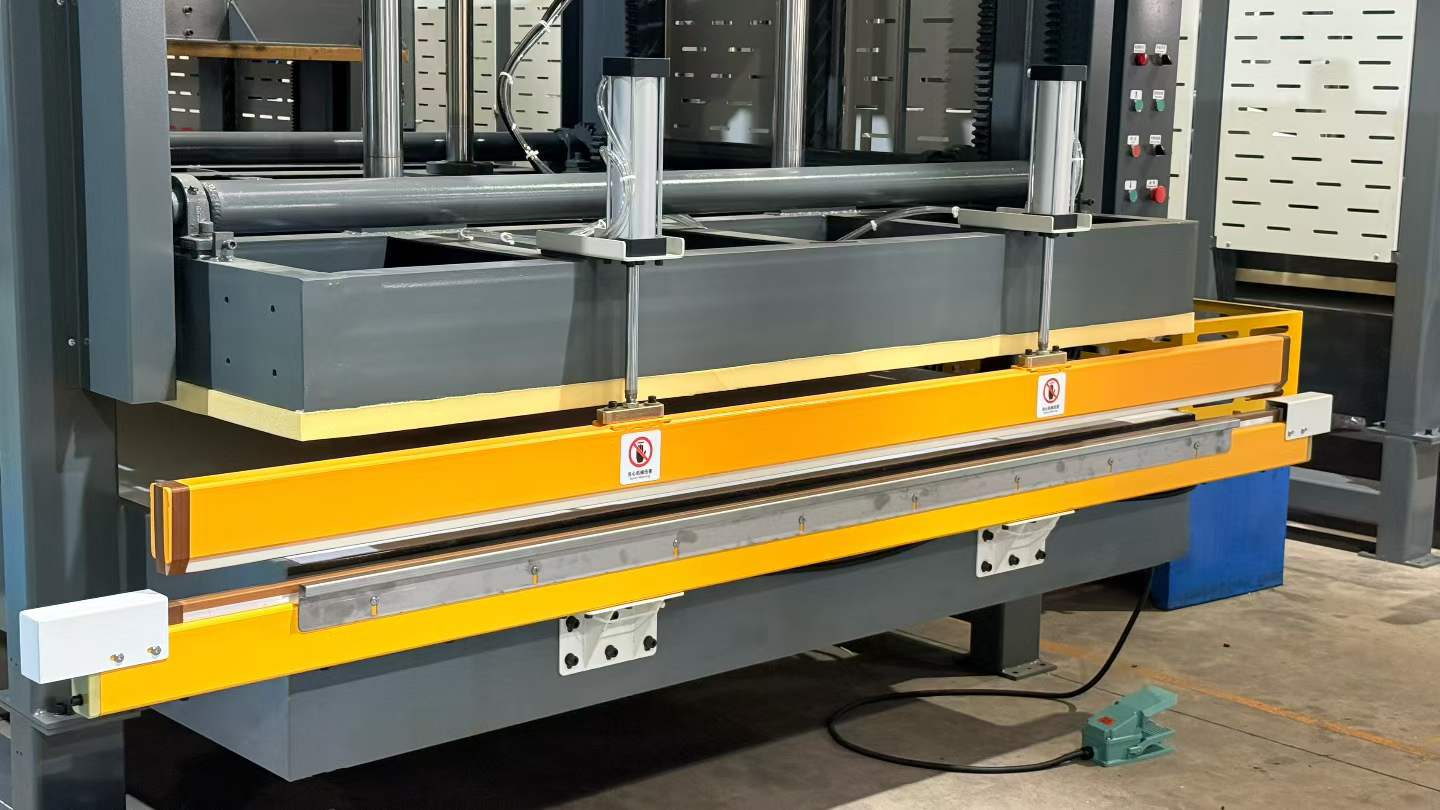
For example, memory foam may recover more slowly than some conventional foam materials. Spring and hybrid mattresses require additional consideration because their internal structures may limit the appropriate compression level.
Before choosing a mattress compression machine, manufacturers should evaluate the actual mattress specifications rather than relying on material type alone.
2. Compression Force and Pressure Control
Compression force determines how much force a machine can apply to a mattress. However, higher force does not automatically guarantee better compression performance.
A suitable machine should provide sufficient force for the intended mattress specifications while maintaining controlled and consistent compression.
Important considerations include:
Maximum mattress thickness and dimensions
Required compression level
Uniformity of pressure across the mattress
Adjustment options for different mattress models
Protection against excessive compression
Proper pressure control helps manufacturers achieve compact packages while reducing the risk of damaging mattress materials or affecting recovery quality.
3. Mattress Structure and Thickness
Mattress construction is another major factor affecting compression performance.
A mattress containing multiple foam layers, reinforced edges, thick quilting, or pocket springs may respond differently from a mattress made entirely of conventional foam.
Thicker mattresses may also require different compression settings and packing configurations.
Manufacturers should confirm that the machine can handle their full range of mattress sizes, thicknesses, and constructions. For roll packing applications, the required finished roll diameter should also be considered.
4. Compression Ratio and Finished Package Size
The compression ratio describes the relationship between a mattress's original dimensions and its compressed dimensions. For example, reducing a mattress's thickness from 200 mm to 50 mm represents a thickness reduction of 75%.
However, thickness reduction is not the same as total volume reduction. The actual volume saved depends on the changes in all relevant dimensions.
Manufacturers should balance package size with mattress quality. Excessive compression may affect material recovery, while insufficient compression can leave packages larger than necessary.
The appropriate compression level should be established through testing with the actual mattress models.
5. Machine Design and Automation
The mechanical design of a mattress compression machine affects its ability to deliver repeatable results.
Key features to evaluate include:
Stable pressing mechanisms
Consistent compression cycles
Suitable sealing and film-feeding systems
Compatibility with folding and rolling equipment
For factories handling large production volumes, automatic mattress compression roll packing machines can help standardize operating procedures and reduce repetitive manual handling.
An integrated line may combine compression, folding, rolling, and film packing, depending on the machine configuration.
6. Packing Film Quality and Sealing Performance
Packing film helps maintain the compressed mattress shape during storage and transportation. Its properties can therefore influence the stability and quality of the finished package.
PE film is commonly used for mattress compression and roll packing applications. The appropriate film depends on the machine, mattress dimensions, sealing method, and packing requirements.
Manufacturers should consider:
Film thickness and strength
Puncture and tear resistance
Flexibility during compression and rolling
Resistance to damage during handling
Even a well-designed compression machine may produce inconsistent packages if the film is unsuitable or the sealing process is poorly controlled.
7. Compression Time and Recovery Performance
Compression time and storage conditions can influence how mattress materials behave after unpacking.
Some foam materials recover relatively quickly, while others require more time to regain their intended dimensions. Temperature, compression duration, and the mattress's internal construction can also affect recovery.
Manufacturers should test representative mattresses under realistic packing, storage, and transportation conditions.
A practical evaluation should include:
Measuring the mattress before compression.
Compressing and packing it using the intended machine settings.
Keeping the package under the planned storage conditions.
Unpacking the mattress after the agreed test period.
Checking thickness, dimensions, shape, and surface condition against product specifications.
These tests help determine whether the compression settings are suitable for regular production.
8. Production Capacity and Operating Consistency
Compression performance must also be considered alongside production efficiency.
A machine may achieve the required package dimensions but still be unsuitable if its cycle time cannot meet the factory's output targets.
When comparing machines, manufacturers should review rated cycle time, actual output, changeover requirements, downtime, and the time needed for manual handling.
For high-volume factories, a fully automatic mattress packing line may improve coordination between production and packing stages.
The best solution is one that meets the required output while maintaining stable package quality.
How to Choose the Right Mattress Compression Machine
Before purchasing equipment, prepare the following information:
Evaluation factor | Information to provide |
|---|
Mattress type | Foam, memory foam, latex, spring, or hybrid |
Mattress dimensions | Length, width, and thickness |
Packing method | Flat compression or compression roll packing |
Target package | Required dimensions or roll diameter |
Production demand | Expected daily or hourly output |
Packing material | Film type, thickness, and width |
Providing these details allows equipment suppliers to evaluate machine compatibility and recommend a suitable configuration.
Conclusion
The compression performance of a mattress machine depends on the interaction between mattress materials, internal construction, compression force, machine design, packing film, and operating conditions.
Manufacturers should not focus on maximum pressure or compression ratio alone. Instead, they should evaluate package size, material recovery, packing consistency, and production capacity together.
With suitable equipment and verified operating parameters, mattress factories can improve packing efficiency, optimize storage space, and reduce transportation volume while maintaining product quality.
NAIGU provides mattress compression machines, roll packing machines, and automated packing solutions for mattress manufacturers with different product specifications and production requirements.
Contact NAIGU to discuss your mattress dimensions, materials, and production targets and explore a suitable compression roll packing solution.


