Categories
How Sofa Dimensions Affect the Roll Packing Process |NAIGU
Learn how sofa length, width, thickness, foam properties, and construction affect compression roll packing, machine selection, and final package dimensions.
Oct 10th,2026
33 Views
Sofa roll packing is an effective solution for furniture manufacturers looking to reduce storage requirements, optimize shipping space, and improve packing efficiency. However, not every sofa can be compressed and rolled in the same way. Sofa dimensions, foam thickness, frame construction, and overall design all influence the packing process.
Understanding how sofa size affects compression and roll packing helps manufacturers choose suitable equipment, select appropriate packing materials, and achieve consistent packaging results.
1. Sofa Width and Length Determine Machine Compatibility
Sofa width and length are among the first factors to consider when selecting a sofa compression roll packing machine.
Compact two-seat sofas, large three-seat sofas, and sectional sofas have different dimensions and packing requirements. Larger sofas may require a machine with a wider working area, greater compression capacity, or a different feeding arrangement.
Before purchasing equipment, manufacturers should measure the maximum sofa dimensions and confirm that the machine can accommodate their product range.
Key measurements include:
-
-
-
Maximum height before compression
-
Dimensions after any required folding or preparation
Accurate measurements help suppliers recommend a machine configuration that matches the factory's production needs.
2. Sofa Thickness Affects Compression Requirements
Sofa thickness influences how much the product can be compressed and the final package dimensions.
Sofas made with thick foam cushions may require different compression settings from those made with thinner cushioning. Foam density, resilience, and internal construction also affect the compression process.
For suitable foam sofas, compression can reduce product thickness before rolling. However, excessive compression may affect foam recovery or damage components.
Manufacturers should test representative sofa models to determine appropriate compression parameters rather than relying on dimensions alone.
3. Sofa Shape Influences Rolling Stability
Not all sofas have a uniform shape. Armrests, curved sections, uneven cushion thickness, and integrated backrests can affect how a sofa enters the machine and forms a compact roll.
Sofas with relatively uniform foam structures may be easier to compress and roll consistently. Irregularly shaped products may require additional preparation or a customized packing solution.
Before selecting a machine, evaluate whether the sofa needs to be folded, whether cushions must be removed, and how the product should be positioned during feeding.
The goal is to achieve a stable package without compromising product quality.
4. Sofa Construction Determines Compression Suitability
Sofa construction is just as important as external dimensions.
Foam sofas designed for compression and roll packing may be suitable for this process, depending on their materials and structure. However, sofas containing rigid wooden frames, metal structures, or other non-compressible components may not be suitable for the same method.
Manufacturers should distinguish between:
-
Foam sofas: Often suitable for compression and roll packing when their construction supports it.
-
Sofas with rigid frames: Require careful evaluation because structural components may prevent safe compression.
-
Modular sofas: May be packed as separate components, depending on their design.
-
Sofas with removable cushions: May require a different preparation and packing arrangement.
Confirming product compatibility before investing in equipment helps avoid unnecessary costs and production problems.
5. Sofa Dimensions Affect the Final Roll Diameter
The finished roll diameter depends on several variables, including the original sofa dimensions, foam properties, compression level, rolling method, and packing configuration.
Larger or thicker sofas may produce larger packages, even when processed by the same machine. Smaller products may allow more compact packages, depending on their construction.
For furniture manufacturers, the target package dimensions should be discussed with the equipment supplier before purchase.
Important considerations include:
-
Maximum acceptable roll diameter
-
-
Required compression level
-
Storage and shipping restrictions
-
Compatibility with pallets, containers, and handling equipment
Actual package dimensions should be verified through product testing.
6. Choose a Sofa Roll Packing Machine Based on Product Size
Selecting a machine based on the smallest sofa in your product range can create problems when larger models enter production.
Instead, manufacturers should identify the largest and thickest compatible sofa models and use them as reference products during equipment evaluation.
When comparing machines, consider the following:
|
Factor
|
Why it matters
|
|
Maximum working dimensions
|
Ensures the sofa fits the machine
|
|
Compression capacity
|
Supports the required packing process
|
|
Rolling mechanism
|
Helps form a consistent package
|
|
Film compatibility
|
Supports stable wrapping and sealing
|
|
Production speed
|
Matches the factory's output requirements
|
|
Automation level
|
Determines manual handling and workflow
|
For factories producing several sofa models, a suitable machine configuration should balance product flexibility, packing quality, and production efficiency.
7. Packing Film Must Match the Sofa and Package Size
Packing film protects the compressed sofa and helps maintain package integrity during handling and transportation.
Film selection depends on package dimensions, compression requirements, puncture resistance, flexibility, and sealing compatibility.
Larger sofas may place different demands on the film because of their size, weight, and surface characteristics. Manufacturers should confirm the recommended film width and thickness with the machine supplier and test the film under actual operating conditions.
Suitable packing film and correctly adjusted sealing parameters help reduce film damage and improve finished package consistency.
8. Measure Your Sofas Before Requesting a Quotation
To obtain an accurate quotation for a sofa compression roll packing machine, manufacturers should prepare the following information:
-
Maximum sofa length, width, and height
-
Foam type and density, if available
-
Sofa construction and frame materials
-
Product photos or a short video
-
-
Expected daily production volume
Providing the dimensions of several representative sofa models helps the supplier assess compatibility and determine whether a standard or customized machine configuration is needed.
Conclusion
Sofa dimensions play an important role in the roll packing process, influencing machine compatibility, compression requirements, rolling stability, and final package size. However, dimensions must be evaluated alongside foam properties and sofa construction.
By measuring products accurately, confirming compression suitability, and testing representative models, furniture manufacturers can select a sofa roll packing machine that supports efficient production and reliable transportation.
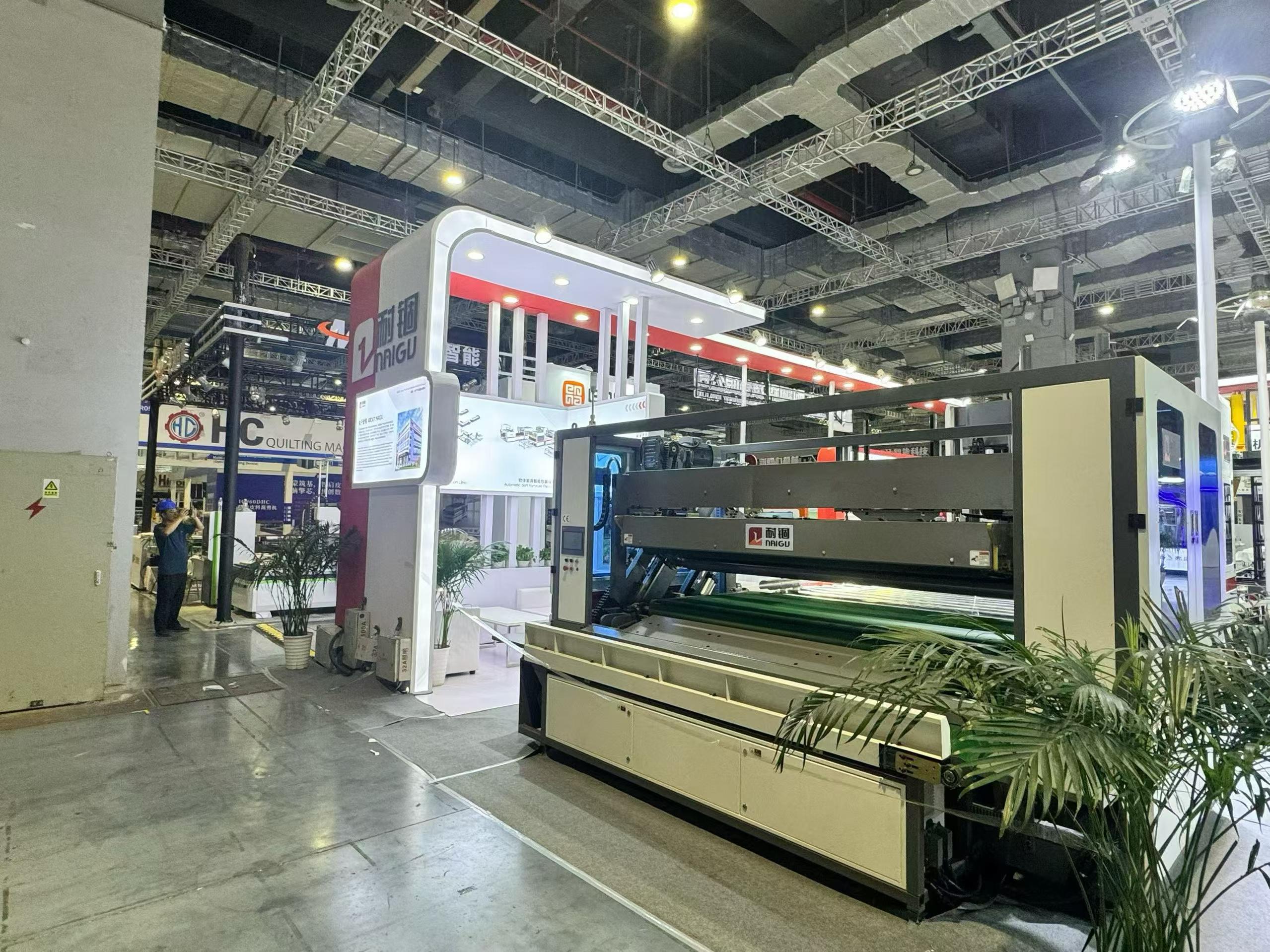
Contact NAIGU for Sofa Roll Packing Solutions
NAIGU provides sofa compression roll packing machinery for furniture manufacturers seeking to improve packing efficiency and optimize storage and shipping space.
Share your sofa dimensions, product construction, and production requirements with NAIGU to explore a suitable roll packing solution for your factory.


