Categories
Packaging Challenges for Thick Mattresses |NAIGU
Learn about the key packaging challenges for thick mattresses, including compression requirements, film selection, transportation efficiency, and automation solutions for mattress manufacturers.
Sep 18th,2026
57 Views
Thick mattresses provide enhanced comfort and support, but they also create unique challenges during the packing and transportation process. Compared with standard mattresses, thicker models require more careful handling, stronger packing materials, and suitable compression solutions to improve logistics efficiency.
For mattress manufacturers and exporters, understanding the challenges of thick mattress packing can help improve production efficiency, reduce transportation difficulties, and maintain product quality throughout the supply chain.
Why Thick Mattresses Are More Difficult to Pack
The increased height and volume of thick mattresses make them harder to handle, store, and transport. A thicker mattress usually requires more space during warehousing and shipping, which can increase logistics pressure.
Common challenges include:
-
Larger packed dimensions
-
Higher compression requirements
-
Greater stress on packing film
-
More difficult handling during production
-
Lower container loading efficiency
-
Increased storage space requirements
To solve these problems, manufacturers need to consider both the mattress structure and the packing method.
1. Higher Compression Requirements
One of the main challenges of packing thick mattresses is reducing their volume while maintaining product quality.
Compression packing can significantly reduce mattress size, making products easier to transport and store. However, thicker mattresses may require higher compression force because they contain more foam, springs, or layered materials.
Manufacturers need to balance:
-
Compression ratio
-
Mattress recovery performance
-
Foam density
-
Mattress construction
-
Compression time
Excessive compression may affect certain mattress materials, while insufficient compression may limit transportation efficiency.
2. Selecting the Right Packing Film
Packing film plays an important role in protecting thick mattresses during compression, storage, and shipping.
Because thick mattresses create higher stretching pressure, the film needs suitable mechanical properties, including:
-
Tensile strength
-
Stretchability
-
Puncture resistance
-
Tear resistance
-
Sealing performance
A film that is too weak may break during compression, while an unsuitable film specification may affect package stability during transportation.
For mattress manufacturers, choosing the correct PE film or mattress packing film according to product size and compression requirements is essential.
3. Protecting Mattress Edges and Corners
Thick mattresses often have larger surface areas and heavier structures, which can increase stress on edges and corners during packing.
Common problems include:
-
Film damage around sharp edges
-
Uneven compression
-
Poor package appearance
-
Difficulty achieving stable sealing
Manufacturers should evaluate mattress design and use appropriate packing methods to ensure the film can fully cover and protect the product.
4. Improving Production Efficiency
Packing thick mattresses manually can require more labor and longer processing times. As mattress sizes increase, factories may face challenges in maintaining consistent packing quality.
-
Compression pressure
-
Film feeding
-
Sealing process
-
Package dimensions
-
Production speed
Automation can help mattress factories handle larger production volumes while maintaining more consistent results.
5. Increasing Transportation Efficiency
Transportation costs are closely related to mattress volume. Thick mattresses usually occupy more space, which can reduce the number of units loaded into trucks or containers.
Efficient compression packing can help manufacturers:
-
Reduce packed volume
-
Improve container utilization
-
Lower warehouse space requirements
-
Simplify handling processes
For international mattress exporters, optimizing package dimensions is an important part of controlling logistics costs.
6. Considering Different Mattress Materials
Not all thick mattresses respond to compression in the same way.
Different materials may require different packing approaches:
Mattress Type
|
Packing Considerations
|
Memory foam mattress
|
Consider foam recovery characteristics
|
Latex mattress
|
Control compression pressure carefully
|
Hybrid mattress
|
Evaluate spring and foam layers
|
Pocket spring mattress
|
Ensure structure protection during compression
|
High-density foam mattress
|
Select suitable film strength
|
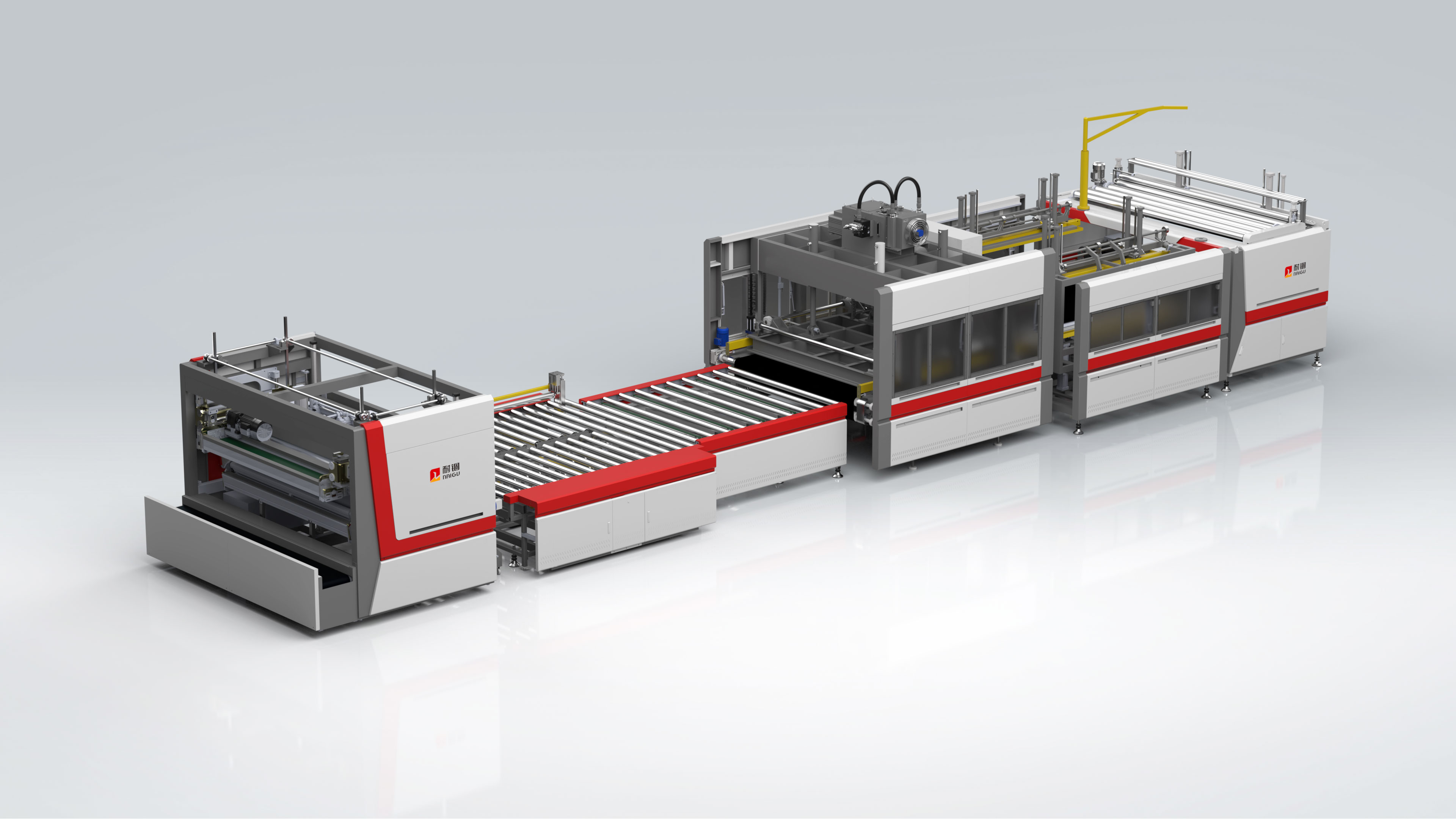 Manufacturers should test packing performance based on the actual mattress structure rather than applying the same settings to every product.
7. Maintaining Product Quality After Packing
A successful packing process should not only reduce volume but also protect mattress performance.
Important quality checks include:
-
Compression stability
-
Film sealing quality
-
Package appearance
-
Mattress recovery after unpacking
-
Protection during transportation
Before mass production, mattress factories should test different compression settings and film specifications to identify the most suitable packing solution.
Conclusion
Packing thick mattresses requires careful consideration of compression technology, packing film performance, production efficiency, and transportation requirements.
For mattress manufacturers, the key challenge is finding the right balance between reducing package volume and protecting mattress quality. By selecting suitable packing materials, optimizing compression settings, and using efficient mattress packing equipment, factories can improve logistics performance and create more reliable export solutions.
A well-designed thick mattress packing process can help manufacturers improve handling efficiency, reduce transportation challenges, and better meet the needs of global markets.

 Manufacturers should test packing performance based on the actual mattress structure rather than applying the same settings to every product.
