Categories
How Mattress Factory Automation Reduces Labor and Improves Production |NAIGU
Discover how mattress factory automation can reduce repetitive labor, improve production efficiency, maintain consistent quality, and optimize processes such as adhesive spraying, mattress assembly, and compression roll packing.
Sep 18th,2026
55 Views
The mattress industry is becoming increasingly competitive as manufacturers face growing demands for higher production efficiency, consistent quality, and faster delivery. Traditional manual operations can require significant labor input, especially in processes such as mattress assembly, sewing, adhesive spraying, compression packing, and final packaging.
By introducing automation into mattress production lines, factories can reduce repetitive manual work, improve production consistency, and optimize overall manufacturing efficiency.
Why Mattress Factories Need Automation
Mattress production involves multiple processes that require accuracy and coordination. As production volumes increase, relying only on manual operations can create several challenges:
-
High labor requirements
-
Inconsistent production quality
-
Longer processing times
-
Difficulty maintaining stable output
-
Increased dependence on skilled workers
Automation helps mattress manufacturers create a more standardized production process while improving the utilization of equipment and labor resources.
1. Reduce Manual Labor Requirements
One of the biggest benefits of mattress factory automation is reducing repetitive manual tasks.
Processes such as:
-
Mattress material handling
-
Adhesive spraying
-
Edge sewing
-
Compression packing
-
Roll packing
-
Product transfer
can require multiple workers in traditional production environments.
Automated equipment can complete these tasks with less manual intervention, allowing workers to focus on machine operation, quality inspection, maintenance, and production management.
The goal of automation is not simply to replace workers, but to improve production efficiency by allowing employees to manage more advanced manufacturing processes.
2. Improve Production Efficiency
Automation helps mattress factories maintain a more stable production speed.
Compared with manual operations, automated systems can provide:
-
Consistent processing cycles
-
Reduced production interruptions
-
Faster material handling
-
Better coordination between production stages
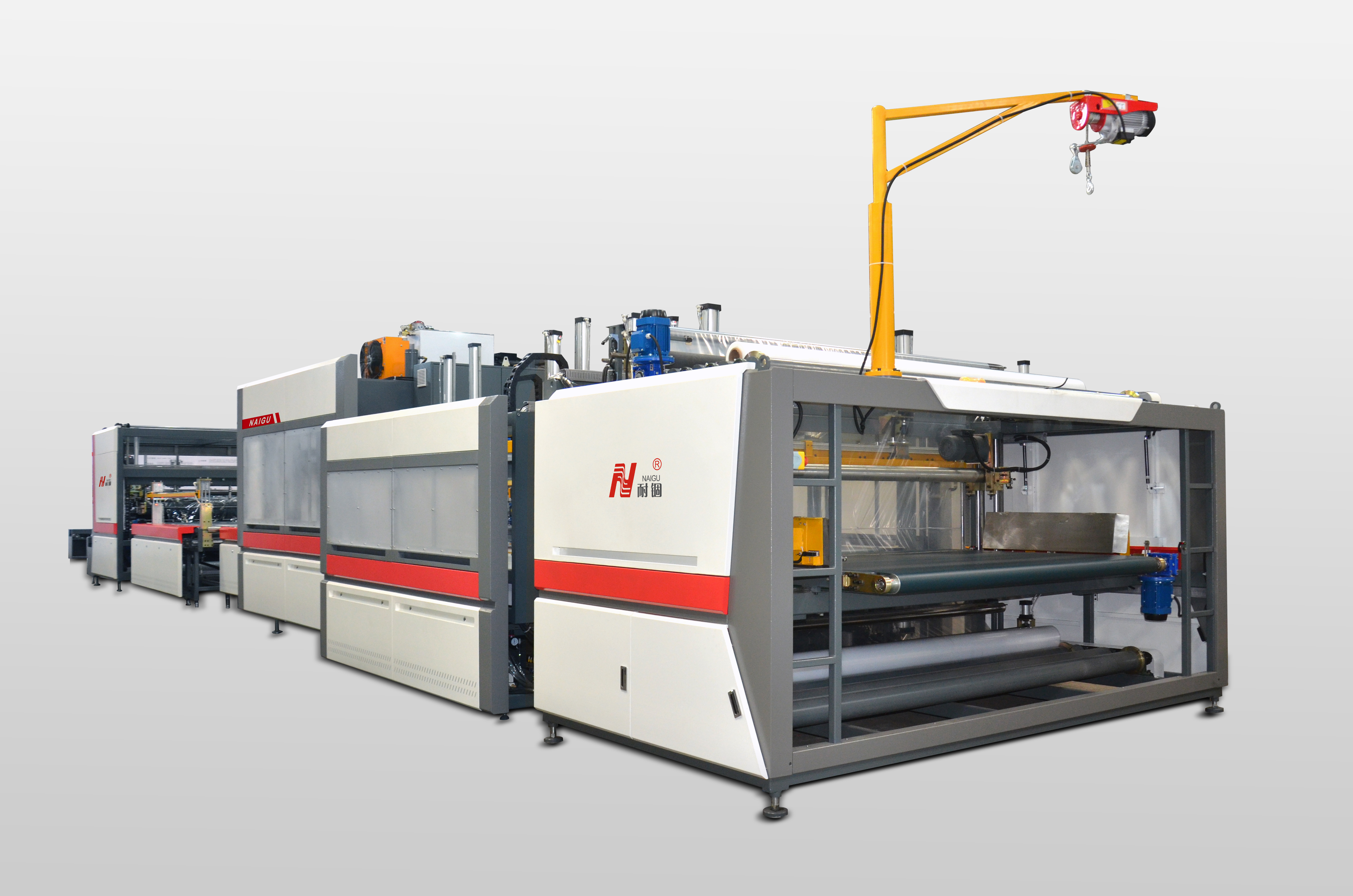
For example, an automatic mattress compression and roll packing line can connect compression, film wrapping, sealing, and packing processes into one continuous workflow.
This helps manufacturers reduce unnecessary waiting time between production steps and improve overall factory productivity.
3. Increase Product Consistency
Mattress quality depends on precise control of materials and manufacturing processes.
Manual operations may create differences between products due to worker experience, fatigue, or operating methods.
Automation can improve consistency by controlling:
-
Adhesive application amount
-
Sewing accuracy
-
Compression pressure
-
Packing dimensions
-
Production parameters
More consistent production helps mattress manufacturers maintain stable product quality for domestic and international customers.
4. Optimize Mattress Packing Processes
Packing is an important stage in mattress manufacturing because it directly affects storage, transportation, and logistics efficiency.
Traditional mattress packing may involve multiple manual steps, including:
-
Moving mattresses
-
Positioning products
-
Applying packing film
-
Compressing mattresses
-
Sealing packages
Automated mattress packing machines can streamline these operations and create more standardized packages.
Benefits may include:
-
Faster packing speed
-
More stable package quality
-
Reduced labor intensity
-
Improved warehouse handling efficiency
For export-oriented mattress factories, efficient compression and roll packing solutions can also help improve container utilization.
5. Improve Worker Safety and Factory Organization
Large mattresses are heavy and difficult to handle manually. Frequent lifting and movement can increase physical workload for workers.
Automation can assist with:
-
Material transportation
-
Product movement
-
Machine-assisted packing
-
Repetitive production tasks
A more organized automated production environment can help factories improve workflow management and reduce unnecessary manual handling.
6. Support Higher Production Capacity
As mattress demand grows, factories often need to increase output without significantly expanding labor costs.
Automation allows manufacturers to increase production capacity by improving equipment utilization and reducing bottlenecks.
A modern mattress production line may include automated solutions such as:
-
Automatic quilting machines
-
Automatic adhesive spraying machines
-
Mattress assembly equipment
-
Mattress sewing machines
-
Compression roll packing systems
By connecting different production stages, factories can create a more efficient manufacturing workflow.
7. Reduce Production Errors and Waste
Automation can help manufacturers better control material usage and production parameters.
For example:
-
Accurate adhesive spraying can reduce unnecessary material consumption.
-
Precise cutting and sewing can improve material utilization.
-
Stable packing processes can reduce film waste caused by inconsistent operations.
Reducing production waste can help factories improve cost control while maintaining product standards.
8. Build a More Competitive Mattress Factory
Automation is becoming an important factor for mattress manufacturers that want to compete in global markets.
International buyers often expect suppliers to provide:
-
Stable product quality
-
Reliable delivery times
-
Efficient production capacity
-
Professional manufacturing capabilities
A higher level of automation can help mattress factories demonstrate stronger production management and meet the requirements of large-scale orders.
Conclusion
Mattress factory automation helps manufacturers reduce repetitive labor, improve production efficiency, maintain consistent quality, and optimize packing processes.
From automatic adhesive spraying to mattress compression and roll packing systems, automation can improve different stages of mattress manufacturing and create a more efficient production workflow.
For mattress factories looking to expand production capacity and serve global markets, investing in suitable automation solutions can be an important step toward improving long-term manufacturing efficiency.


