Categories
How Furniture Manufacturers Can Optimize Sofa Transportation Costs |NAIGU
Learn how furniture manufacturers can optimize sofa transportation costs through efficient packing, reduced product volume, better container utilization, and sofa compression roll packing solutions.
Sep 18th,2026
43 Views
For furniture manufacturers, sofa transportation costs are closely connected to product volume, packing efficiency, container utilization, and shipping methods. Because sofas are bulky products, optimizing how they are packed and transported can help manufacturers make better use of available logistics space and control cost per unit.
For export-oriented sofa factories, transportation optimization should start before the products leave the production line. By evaluating sofa dimensions, packing methods, loading efficiency, and transportation requirements together, manufacturers can build a more efficient logistics strategy.
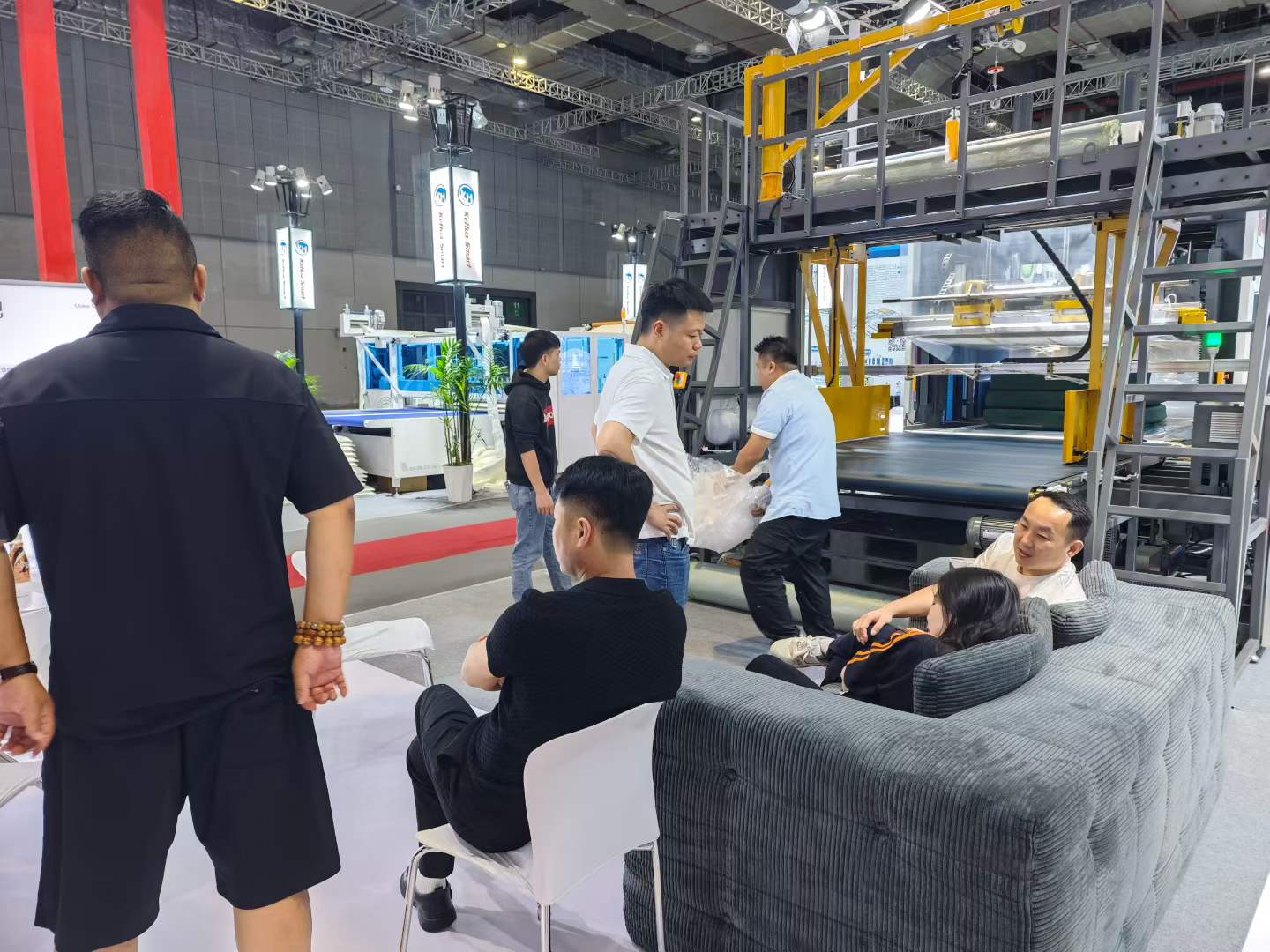
Why Sofa Transportation Costs Can Be High
Sofas typically occupy substantial space compared with their actual weight. As a result, transportation capacity can become a limiting factor before the weight limit of a truck or container is reached.
Common factors affecting sofa transportation costs include:
-
Sofa dimensions and packed volume
-
Number of units loaded per container
-
Packing and stacking efficiency
-
Container utilization
-
Domestic transportation distance
-
International freight rates
-
Loading and unloading labor
-
Warehouse space requirements
For manufacturers shipping large quantities of sofas, even a small reduction in packed volume can affect the number of products transported in each shipment.
1. Reduce Packed Sofa Volume
One of the most direct ways to improve sofa transportation efficiency is to reduce unnecessary packed volume.
Manufacturers can review whether sofas need to be transported fully assembled or whether certain components can be folded, disassembled, compressed, or otherwise optimized for transportation.
For suitable upholstered sofas, compression packing can further reduce the space occupied by the product. Compression and roll packing can transform a bulky sofa into a more compact package, potentially improving the utilization of trucks, warehouses, and shipping containers.
However, not every sofa is suitable for compression. Manufacturers should consider the sofa structure, foam characteristics, upholstery, dimensions, and recovery requirements before selecting a compression packing method.
2. Improve Container Utilization
Container space is an important consideration for international furniture exporters.
A poorly planned loading configuration can leave unused space around irregularly shaped sofas. Standardized packed dimensions and stackable packages can help manufacturers use container space more efficiently.
Before shipment, manufacturers can compare:
Original packed volume × quantity = total shipment volume
They can then evaluate how changes in packing dimensions affect the number of sofas that can be loaded.
For high-volume exporters, increasing the number of units shipped per container can potentially reduce transportation cost per sofa because the freight cost is distributed across more products.
Sofa compression roll packing is increasingly relevant for manufacturers producing suitable upholstered furniture.
The basic process generally involves compressing the sofa, applying packing film, sealing the package, and forming a compact roll or other space-efficient package.
This approach can provide several logistics benefits:
-
Lower packed volume
-
More efficient container loading
-
Easier handling
-
Reduced warehouse space requirements
-
Potentially higher units per shipment
NAIGU's sofa compression and roll-packing solutions are designed around this type of logistics optimization, helping suitable furniture products move from conventional bulky packing toward more compact transportation formats.
4. Optimize Packing Materials
Packing materials should provide sufficient protection without creating unnecessary weight or volume.
Furniture manufacturers can evaluate:
-
Packing film thickness
-
Bag dimensions
-
Protective foam
-
Corner protection
-
Carton size
-
Reinforcement materials
Oversized packing can create unnecessary empty space, while insufficient protection may increase the risk of damage during transportation.
The objective is not simply to use less packing material. Instead, manufacturers should find a practical balance between product protection, packed volume, material consumption, and handling efficiency.
5. Compare Transportation Methods
Different orders may require different transportation methods.
For large export orders, sea freight and full-container shipments may be appropriate when the shipment volume justifies them. Smaller or urgent orders may require different logistics arrangements.
Manufacturers should compare transportation options based on:
-
Total shipment volume
-
Order quantity
-
Destination
-
Delivery time
-
Freight rate
-
Loading efficiency
-
Required inventory levels
Rather than focusing only on the freight rate, manufacturers should calculate the total transportation cost per sofa.
6. Reduce Warehouse Space Requirements
Transportation optimization also starts inside the factory.
Bulky finished sofas can require significant warehouse space before shipment. If suitable products can be compressed and packed into smaller units, manufacturers may be able to improve warehouse utilization.
This can create a more efficient workflow between:
Production → Packing → Temporary Storage → Loading → Transportation
A more compact packing format can also make internal handling easier and reduce unnecessary movement of large finished products.
7. Calculate Cost Per Sofa
Manufacturers should avoid evaluating logistics costs only at the container level.
A more useful measurement is:
Transportation Cost Per Sofa = Total Transportation Cost ÷ Number of Sofas Shipped
For example, if a packing improvement allows more sofas to be loaded into the same container, the freight cost can potentially be spread across a larger number of units.
Manufacturers can compare the following indicators before and after a packing improvement:
Logistics Factor
|
Before Optimization
|
After Optimization
|
Packed volume
|
Higher
|
Lower
|
Units per container
|
Limited
|
Potentially higher
|
Warehouse requirement
|
Higher
|
More efficient
|
Loading efficiency
|
Lower
|
Improved
|
Cost per sofa
|
Higher potential
|
Potentially lower
|
Actual savings depend on sofa specifications, compression performance, packing dimensions, shipping routes, and freight rates.
8. Build a Data-Based Packing Strategy
For manufacturers shipping sofas internationally, packing decisions should be based on actual production and logistics data.
Important information includes:
-
Sofa dimensions
-
Sofa weight
-
Original packed dimensions
-
Compressed dimensions
-
Packing material specifications
-
Units per container
-
Container type
-
Freight cost
-
Annual shipment volume
By comparing these figures, manufacturers can identify where the largest logistics improvements may be possible.
Conclusion
Optimizing sofa transportation costs is not simply about negotiating a lower freight rate. It involves improving the entire logistics process, from product design and packing volume to container loading and transportation planning.
For suitable sofa products, compression and roll packing can be an effective way to reduce packed volume and improve transportation efficiency. Combined with optimized packing materials, standardized package dimensions, and better container planning, manufacturers can build a more efficient sofa logistics system.
For furniture factories serving international markets, evaluating packed volume, container utilization, and transportation cost per sofa is an important step toward improving overall logistics efficiency.


