Categories
Why Automation Is the Future of Mattress Manufacturing |NAIGU
Explore why automation is becoming the future of mattress manufacturing. This article covers production efficiency, quality consistency, labor optimization, smart production management, packing automation, and scalability for modern mattress factories.
Sep 17th,2026
58 Views
Mattress manufacturing is becoming more automated as factories look for ways to increase production efficiency, maintain consistent quality, and manage labor-intensive processes. From quilting and spring production to assembly, tape edging, compression, and roll packing, automation can help manufacturers build a more efficient and scalable production workflow.
1. Higher Production Efficiency
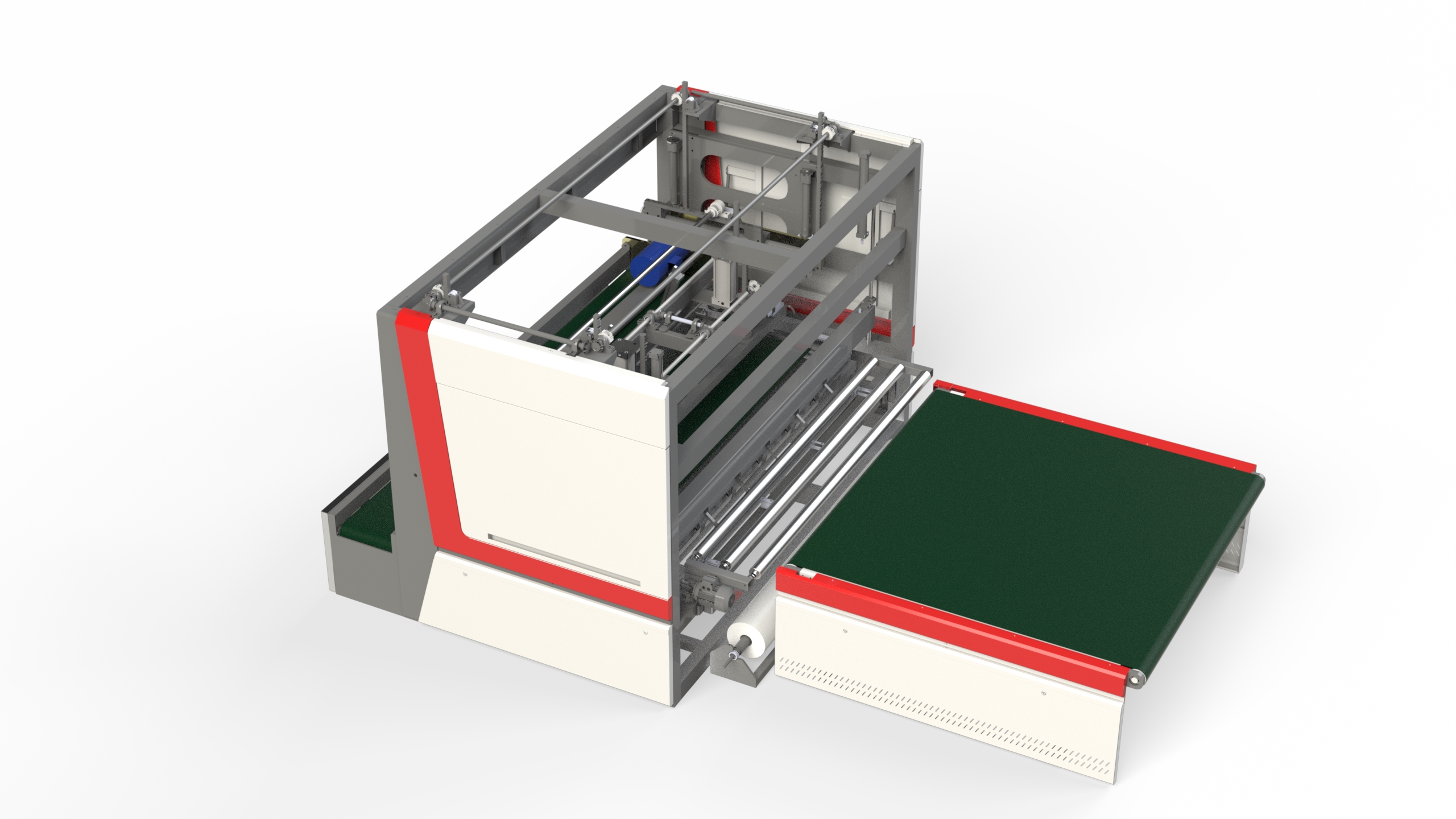
Manual production processes can limit output when mattress demand increases. Automated mattress making machines can perform repetitive operations at a consistent speed, helping factories maintain a stable production flow.
Automation can be especially valuable for manufacturers producing large volumes of standardized mattress models.
2. More Consistent Product Quality
Mattress quality depends on many production processes, including quilting, sewing, spring assembly, and tape edging.
Automated equipment can follow predefined operating parameters, helping reduce variations caused by repetitive manual work. Consistent production is particularly important when manufacturers supply large retail chains, distributors, or international markets.
3. Reduced Repetitive Manual Work
Mattress production involves many physically repetitive operations. Automation can reduce the amount of manual handling required for suitable processes.
Workers can instead focus on:
-
Machine operation
-
Quality inspection
-
Material preparation
-
Production monitoring
-
Equipment maintenance
This can help factories make better use of their workforce while increasing production capacity.
4. Smarter Production Management
Modern automated equipment can provide useful information about production performance.
Manufacturers can monitor indicators such as:
-
Production output
-
Machine operating time
-
Equipment downtime
-
Production cycle time
-
Machine alarms
-
Maintenance requirements
This information can help factory managers identify bottlenecks and make more informed production decisions.
5. Automation Improves Mattress Packing
Packing is an important part of the mattress manufacturing process. Large mattresses can occupy significant warehouse and transportation space before compression.
A modern workflow can connect:
Mattress Production → Inspection → Compression → Roll Packing → Storage → Container Loading
This helps manufacturers consider packing as part of the overall production system rather than an isolated final operation.
6. Better Use of Factory Space
Automation can improve material flow and help factories organize production areas more efficiently.
When equipment, conveyors, and packing systems are properly planned, manufacturers can reduce unnecessary movement between production stages and create a more organized workflow.
For export-oriented factories, compact mattress packing can also support more efficient warehouse storage and container loading.
7. Supports Large-Scale Production
As mattress factories expand, automation can provide additional production capacity without relying entirely on increasing manual labor.
Different automation levels can be considered:
Manual Production → Semi-Automatic Equipment → Automatic Machines → Integrated Production Lines
The appropriate option depends on production volume, mattress specifications, product variety, factory space, and investment plans.
8. More Flexible Production
Modern mattress factories may produce different sizes, thicknesses, and product types. Automation systems can often be configured with different production parameters to accommodate changing requirements.
Before selecting equipment, manufacturers should evaluate:
-
Mattress dimensions
-
Mattress thickness
-
Materials
-
Daily production volume
-
Product variety
-
Required production speed
-
Factory layout
This helps ensure that automation supports the factory's actual production needs.
9. Preventive Maintenance Can Reduce Downtime
Unexpected machine downtime can affect the entire production line. Regular maintenance and machine monitoring can help identify potential problems before they cause major interruptions.
Factories should establish maintenance schedules for critical components and train operators to recognize common equipment warnings and operating issues.
10. Automation Supports Long-Term Growth
The value of automation is not limited to today's production output. A properly planned system can provide a foundation for future expansion.
As production volumes increase, manufacturers can evaluate additional equipment, automation modules, or integrated production lines based on their changing requirements.
This makes automation an important consideration for mattress factories seeking a more scalable manufacturing strategy.
Conclusion
Automation is becoming increasingly important in mattress manufacturing because it can improve production efficiency, quality consistency, labor utilization, data visibility, packing efficiency, and scalability.
However, automation should be based on actual factory requirements rather than simply maximizing machine speed. Mattress specifications, production volume, product variety, labor needs, factory layout, and future expansion plans should all be considered.
For manufacturers ready to modernize, combining automated mattress production with compression and roll packing solutions can create a more connected and efficient workflow from production to shipment.


