Categories
Can Oversized Sofas Be Compressed for Container Shipping? |NAIGU
Oversized sofas can be compressed when their materials and construction are suitable. This article explains how sofa compression can reduce packed volume, improve container utilization, simplify loading, and optimize warehouse space for long-distance furniture shipping.
Sep 9th,2026
46 Views
Oversized sofas can be challenging to transport internationally because their large dimensions take up significant container and warehouse space. For furniture manufacturers and exporters, sofa compression packing can provide a practical way to reduce the packed volume of suitable sofa products before container shipping.
However, not every oversized sofa can be compressed in the same way. The feasibility depends on the sofa's construction, materials, dimensions, and recovery characteristics.
Can Oversized Sofas Be Compressed?
In many cases, suitable oversized sofas can be compressed for container shipping.
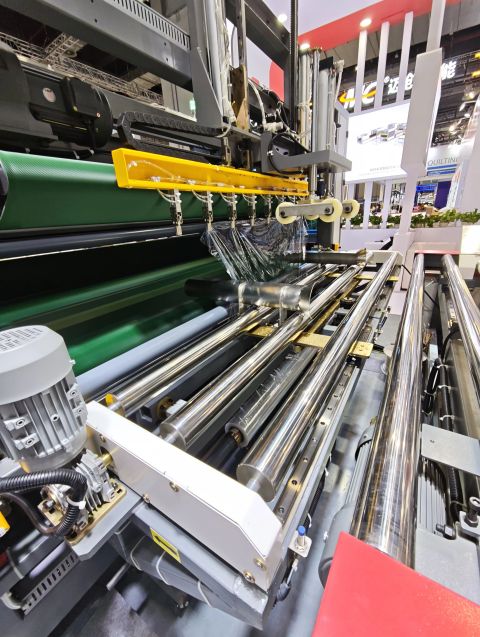
A sofa compression machine applies controlled pressure to reduce the volume of flexible components, particularly sofas containing compressible foam and cushions. After compression, the sofa can be wrapped and sealed, often in a compact roll-packed format.
The actual compression ratio varies according to the sofa design and materials. Manufacturers should test their specific products before deciding on a large-scale compression process.
Which Oversized Sofas Are Suitable for Compression?
Sofas with substantial flexible foam content are generally more suitable for compression than products containing rigid structures.
Important factors include:
Foam type and density
Sofa dimensions
Cushion construction
Frame structure
Upholstery materials
Product weight
Recovery characteristics
Required final package size
For example, a sofa with a rigid internal structure may have limited compression potential, while a sofa using flexible foam and suitable construction may achieve a significant reduction in packed volume.
How Does Sofa Compression Help Container Shipping?
1. Better Use of Container Space
The main advantage of compressed sofa packing is volume reduction.
Oversized sofas can occupy substantial cubic space when shipped in their normal condition. Compressing suitable products allows exporters to create smaller packages and potentially load more sofas into the same container.
Actual container capacity depends on the final package dimensions and loading arrangement, so manufacturers should confirm capacity through practical loading tests.
2. Lower Logistics Cost per Sofa
For bulky furniture, transportation costs can be strongly affected by cargo volume.
When compression reduces the volume of each sofa, the transportation cost allocated to each unit may decrease. This can be particularly valuable for exporters shipping sofas over long distances.
3. Easier Container Loading
Large sofas can be difficult to maneuver during container loading.
Compact roll-packed sofas are easier to position and organize within available cargo space. Standardized package dimensions can also make loading plans easier to manage.
4. More Efficient Warehouse Storage
The benefits of compression do not stop at the port.
Compressed sofas generally require less storage space before shipment and during distribution. Furniture distributors can potentially use their warehouse space more efficiently while handling larger inventories.
What Machine Is Used to Compress Oversized Sofas?
A sofa compression machine or sofa compression roll packing machine is designed to reduce the volume of suitable furniture products before packing.
Depending on the equipment configuration, the process may include:
Sofa Positioning → Compression → Film Wrapping → Sealing → Roll Packing → Finished Product Handling
For factories producing large export volumes, integrating compression and roll packing can help reduce manual handling and improve end-of-line efficiency.
Does Compression Damage the Sofa?
Properly controlled compression should be based on the characteristics of the sofa being processed.
Manufacturers need to consider how the foam, upholstery, cushions, and internal components respond to compression and how quickly the product recovers after unpacking.
Before commercial production, manufacturers should perform compression and recovery tests to evaluate:
Final package size
Product appearance after unpacking
Foam recovery
Compression duration
Packing film performance
Finished package stability
This testing helps determine whether a particular sofa model is suitable for compression shipping.
What About Very Large Sectional Sofas?
Large sectional and modular sofas can sometimes benefit significantly from compression packing, but their individual components should be evaluated separately.
The best packing configuration may depend on how the sectional is designed and whether its components can be compressed and packed together or separately.
For manufacturers producing multiple oversized sofa models, testing each product category can help determine the most efficient packing method.
Choosing the Right Packing Film
Compression places additional demands on the packing film.
The film should provide suitable strength, flexibility, and sealing performance throughout compression, handling, and transportation.
Important specifications may include:
Film thickness
Film width
Tensile strength
Puncture resistance
Stretchability
Sealing performance
Roll length
The film should also be compatible with the selected sofa compression and packing machine.
How to Calculate Potential Container Savings
Manufacturers should compare the original sofa dimensions with the final compressed package dimensions.
A useful evaluation can include:
Original sofa volume → Compressed package volume → Number of units per container → Estimated logistics cost per unit
This gives exporters a clearer picture of the practical benefits of compression rather than relying only on a theoretical compression ratio.
Is Compression Suitable for Every Exporter?
Sofa compression is most valuable for manufacturers and distributors that regularly ship bulky furniture over long distances.
It may be particularly attractive for:
Sofa exporters
Furniture manufacturers
Wholesale distributors
E-commerce furniture suppliers
International furniture brands
High-volume container shippers
For occasional shipments or sofas with highly rigid structures, conventional packing may remain more appropriate.
Conclusion
Oversized sofas can often be compressed for container shipping when their materials and construction are suitable. Compression can reduce packed volume, improve container utilization, simplify loading, and optimize warehouse space.
The most important step is to evaluate each sofa model individually. Manufacturers should conduct compression, recovery, and container-loading tests before implementing the process for large export orders.
A suitable sofa compression roll packing machine, combined with the right packing film and workflow, can help furniture manufacturers build a more efficient international shipping process.
NAIGU provides sofa compression and roll packing solutions for furniture manufacturers with different sofa sizes, designs, and production requirements.
Contact NAIGU to evaluate whether your oversized sofas are suitable for compression container shipping.


