Categories
Why Film Strength Matters in Compressed Sofa Transportation |NAIGU
Learn why film strength matters in compressed sofa transportation and how tensile strength, puncture resistance, elongation, and sealing affect packing performance.
Sep 24th,2026
53 Views
Compressed sofa packing can significantly reduce product volume and improve transportation efficiency. However, the packing film must withstand mechanical stress throughout compression, loading, storage, and long-distance transportation. Film strength is therefore an important factor when furniture manufacturers select film for compressed sofa transportation.
A suitable film should provide a balance of tensile strength, puncture resistance, elongation, flexibility, and sealing performance rather than simply being the thickest or cheapest option.
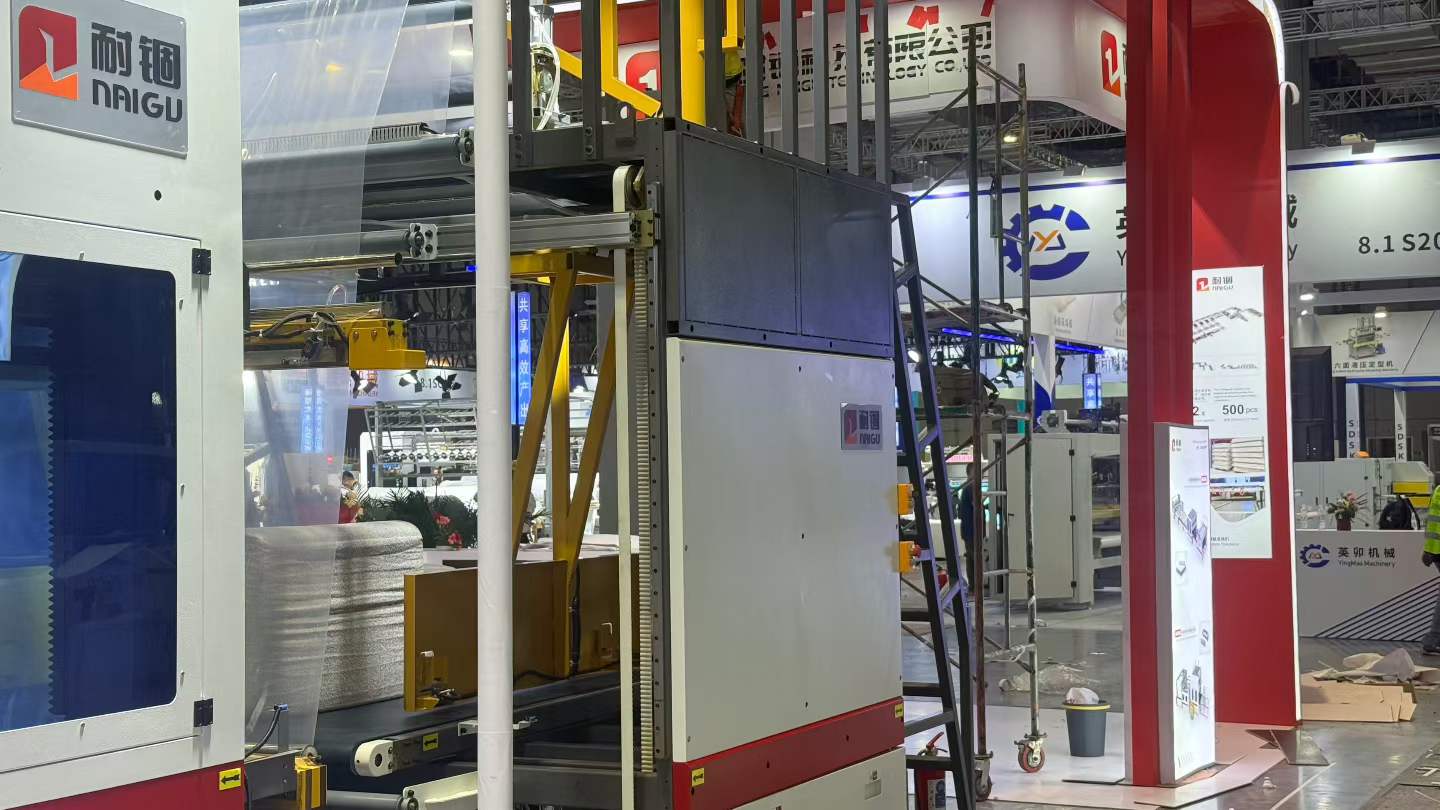
1. Compression Places Stress on the Film
During sofa compression, the film stretches as the sofa's volume decreases. Large or irregularly shaped sofas can create additional stress around corners, seams, frames, and other contact points.
If the film has insufficient strength, it may stretch excessively or tear during compression. Choosing film according to the actual sofa structure and compression conditions can help improve package stability.
2. Strong Film Helps Maintain Package Stability
After compression, the film needs to maintain tension around the sofa. A suitable high-strength PE film can help keep the compressed package stable during handling and transportation.
This is particularly important for:
-
Large sofas
-
Sectional sofas
-
L-shaped sofas
-
Heavy upholstered furniture
-
Sofas with rigid frames
A stable package can make warehouse handling and container loading more predictable.
3. Puncture Resistance Protects Against Sharp Contact Points
Sofa structures may include wooden frames, springs, hardware, zippers, and prominent corners. These areas can create concentrated pressure against the film.
Good puncture and tear resistance can reduce the risk of film damage during compression, loading, unloading, and transportation.
4. Elongation Is Just as Important as Strength
High strength alone does not guarantee good compression performance. The film also needs suitable elongation so it can adapt to different sofa shapes.
A film with appropriate elongation can stretch around irregular surfaces while maintaining its integrity. Excessive stretching, however, can reduce package stability, so manufacturers should look for a suitable balance between strength and flexibility.
5. Film Thickness Should Match the Application
It is common to assume that thicker film is always better for compressed sofa transportation. In practice, thickness is only one part of film performance.
The appropriate thickness depends on:
-
Sofa size and weight
-
Sofa construction
-
Compression ratio
-
Film structure
-
Required puncture resistance
-
Packing machine
-
Transportation conditions
A thicker film can increase mechanical resistance, but unnecessary thickness may also increase material consumption and packing costs.
6. Sealing Performance Affects Transportation Reliability
Film strength is important, but the sealing area also needs to remain secure after compression. Weak or inconsistent seals can compromise package integrity during storage and transportation.
For automated sofa compression systems, the film should be compatible with the machine's feeding and sealing requirements to achieve consistent results.
7. Film Quality Can Affect Packing Efficiency
Film consistency is particularly important for automated packing lines. Variations in film thickness, width, or mechanical properties can lead to unstable feeding, uneven stretching, or inconsistent sealing.
Matching the film specifications with the sofa compression and roll packing machine can help manufacturers maintain more stable production conditions and reduce packing problems.
8. Consider the Entire Transportation Process
Compressed sofas may pass through several stages before reaching the final customer:
Factory → Compression → Sealing → Warehouse → Container Loading → International Transportation → Distribution
During this process, the film may be exposed to handling, friction, pressure from neighboring products, and environmental conditions. Therefore, film selection should consider the complete logistics cycle rather than only the compression stage.
9. Balance Film Performance and Cost
The lowest film price does not necessarily mean the lowest overall packing cost.
Film failures can result in:
-
Repacking
-
Production interruptions
-
Additional film consumption
-
Product exposure
-
Increased handling time
Furniture manufacturers should evaluate the total packing cost, including film performance, machine efficiency, material consumption, and transportation requirements.
Conclusion
Film strength matters in compressed sofa transportation because the film plays an important role in maintaining package integrity from compression to final delivery. Tensile strength, puncture resistance, elongation, thickness, sealing performance, and machine compatibility should all be considered when selecting sofa compression film.
For furniture manufacturers and exporters, choosing the right PE film for sofa compression and roll packing can help improve packing stability, protect products during transportation, and support more efficient logistics.


