Categories
Why Efficient Packaging Is Becoming a Competitive Advantage |NAIGU
Explore how efficient packing can give furniture and mattress manufacturers a competitive advantage. This article highlights the role of packing efficiency in cost control, production capacity, warehouse utilization, transportation, product protection, and overall manufacturing performance.
Sep 17th,2026
46 Views
Packaging is no longer simply the final step before a product leaves the factory. For furniture, mattresses, and other bulky products, an efficient packing process can directly affect production efficiency, warehouse space, transportation costs, product protection, and customer experience.
As manufacturers compete in global markets, efficient packing is becoming an important part of overall manufacturing strategy.
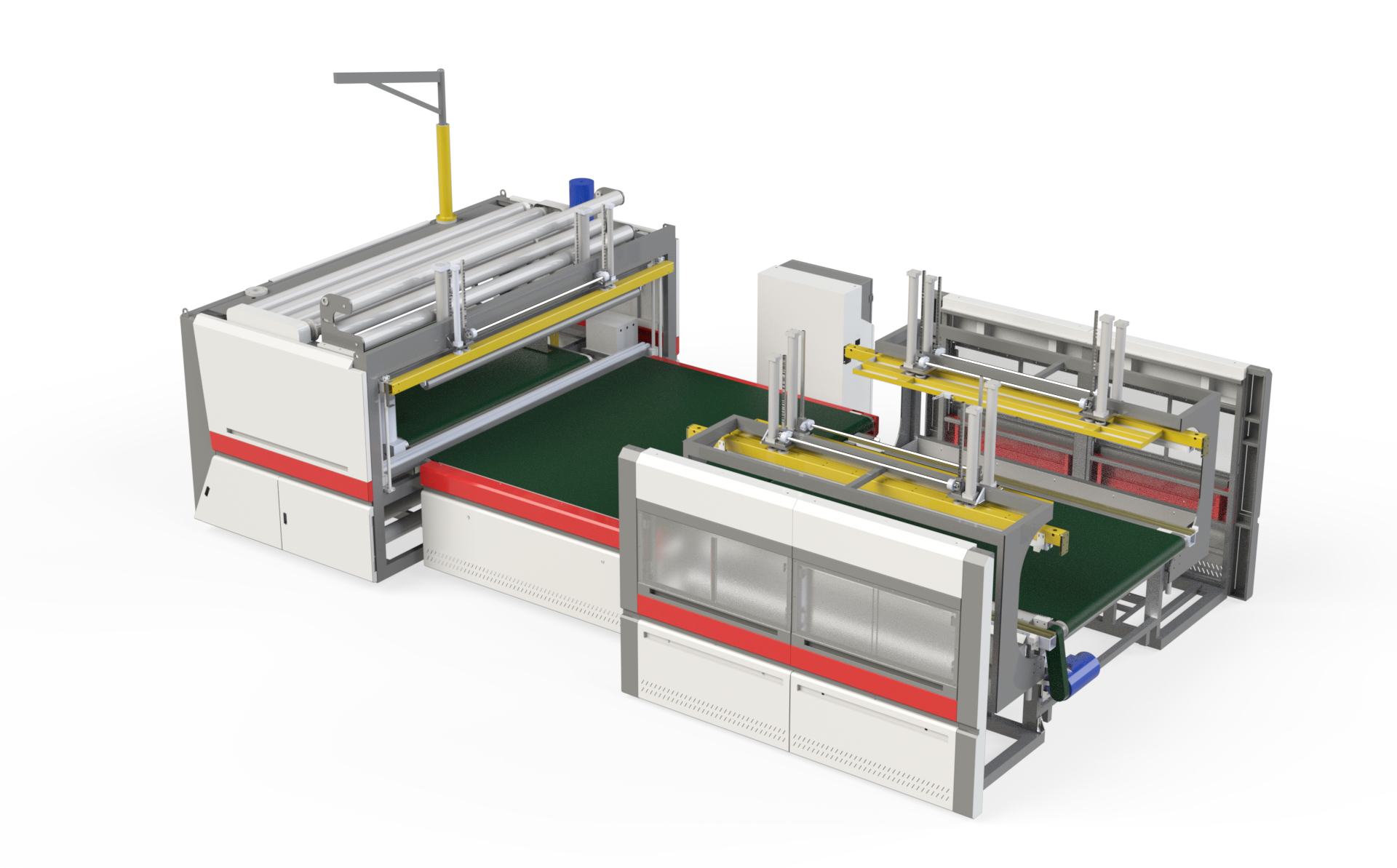
1. Efficient Packing Helps Control Costs
Bulky products can occupy significant space during storage and transportation. Traditional packing methods may leave considerable unused space around the product.
Compression and roll packing can reduce the packed volume of suitable mattresses and sofas. Smaller packages can make storage and container loading more efficient, helping manufacturers better control logistics-related expenses.
The actual savings depend on product design, compression performance, packing materials, and shipping conditions.
2. Faster Packing Supports Higher Production Capacity
When production output increases, manual packing can become a bottleneck.
An efficient packing process can help manufacturers maintain a smoother flow from production to finished goods. Automated or semi-automated packing equipment can perform repetitive operations more consistently and reduce unnecessary manual handling.
For factories with high daily output, improving the end-of-line process can be just as important as improving upstream production.
3. Consistent Packing Improves Product Handling
Different package sizes and inconsistent film tension can make finished products more difficult to handle, store, and transport.
Standardized packing procedures can create more consistent package dimensions and improve the stability of finished products during transportation. This is particularly useful for manufacturers serving retailers, distributors, and international markets.
4. Better Space Utilization Matters
Warehouse capacity is an important consideration for furniture and mattress manufacturers.
Large uncompressed products can quickly occupy valuable floor space. More compact packing can help factories organize inventory more efficiently and create a smoother flow between production, storage, and loading areas.
For export-oriented factories, space efficiency can also influence container utilization.
5. Efficient Packing Can Improve Customer Experience
Customers increasingly expect products to arrive clean, secure, and easy to handle.
A well-designed packing process can help protect mattresses, sofas, cushions, and other products from dust, moisture, scratches, and handling damage. For online furniture sales, compact packing can also simplify transportation and delivery.
Packing therefore contributes not only to factory efficiency but also to the overall product experience.
6. Automation Can Improve Packing Consistency
Automation is becoming increasingly relevant as manufacturers seek stable output and lower dependence on repetitive manual operations.
Depending on the product and production scale, factories may use:
Manual Packing → Semi-Automatic Packing → Automatic Packing → Integrated Packing Line
The suitable level depends on production volume, product variety, labor availability, factory layout, and investment plans.
7. Efficient Packing Supports International Competition
Global furniture and mattress manufacturers often compete on more than product price. Production efficiency, delivery capability, logistics control, and consistent quality can all affect competitiveness.
A well-designed packing process can connect manufacturing with downstream logistics more effectively:
Production → Inspection → Packing → Compression → Roll Packing → Storage → Container Loading
This approach helps manufacturers consider packing as part of the complete production system rather than an isolated final operation.
8. Choosing the Right Packing Solution Is Essential
Not every product requires the same packing method.
Before investing in packing equipment, manufacturers should evaluate:
-
Product dimensions and weight
-
Materials and structure
-
Required package size
-
Daily production volume
-
Film specifications
-
Warehouse requirements
-
Transportation method
-
Future production plans
For mattress and sofa factories, compression and roll packing solutions can be considered when reducing product volume and improving packing efficiency are important production goals.
Conclusion
Efficient packing is becoming a competitive advantage because it can influence cost control, production capacity, warehouse utilization, transportation efficiency, product protection, and customer experience.
For modern furniture and mattress manufacturers, improving packing is not simply about making the final step faster. It is about creating a more efficient connection between production and logistics.
A properly matched packing solution can help factories build a more consistent, scalable, and efficient manufacturing workflow.


