Categories
What Should Mattress Factories Consider Before Buying a Packing Machine? |NAIGU
This article explains the key factors mattress factories should consider before purchasing a packing machine, including mattress size, production capacity, packing method, automation level, film requirements, factory layout, and after-sales support.
Sep 28th,2026
46 Views
Choosing the right mattress packing machine is an important decision for manufacturers looking to improve production efficiency and packing consistency. The ideal machine depends on mattress specifications, production volume, packing requirements, available space, and the desired level of automation.
Before investing in equipment, mattress factories should evaluate several key factors.
1. Mattress Size and Thickness
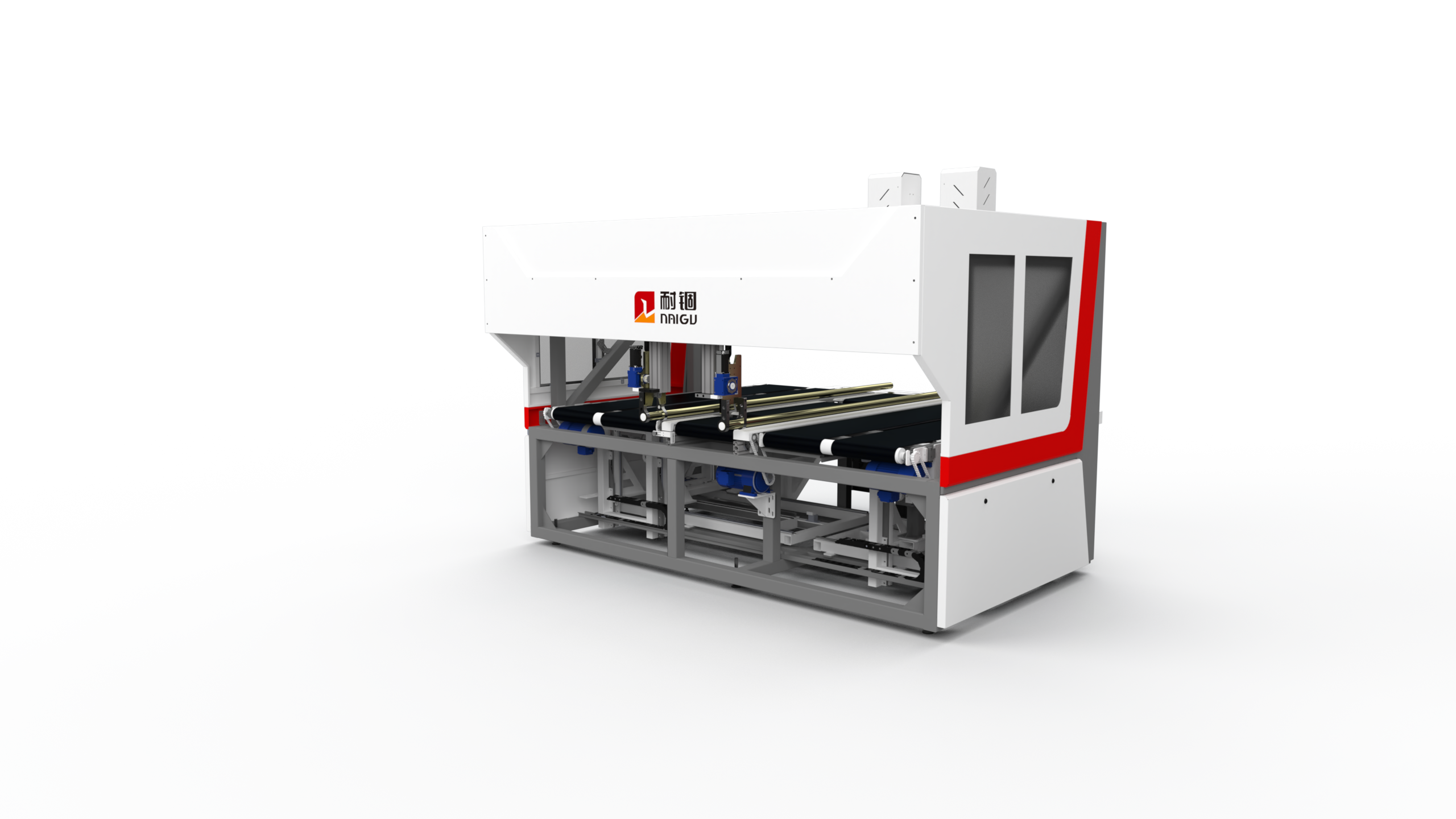
The first consideration is the size and thickness of the mattresses being produced.
Manufacturers should check the machine's working range, including maximum mattress width, length, and thickness. If a factory produces different mattress sizes, the machine should be flexible enough to handle the required product range.
2. Production Capacity
Daily production volume has a direct impact on the type of packing machine required.
A small mattress factory may choose a semi-automatic packing machine, while a high-volume manufacturer may need an automatic compression, folding, and roll packing system.
The machine's working speed should match the factory's actual production capacity to avoid creating a bottleneck at the packing stage.
3. Packing Method
Mattress factories should determine how they want the finished mattress to be packed.
Common options include:
Flat packing
Compression packing
Folding and compression
Roll packing
Compression and roll packing
The right method depends on mattress materials, product dimensions, transportation requirements, and customer preferences.
4. Level of Automation
Automation requirements should be considered together with production volume and labor availability.
Semi-automatic equipment can provide flexibility for factories producing multiple mattress models, while fully automatic systems can connect compression, folding, film packing, sealing, and roll packing into one workflow.
5. Film and Packing Materials
The packing machine should be compatible with the required packing film and film dimensions.
Manufacturers should consider film thickness, width, sealing method, and material properties when selecting equipment. The right film and machine configuration can help achieve consistent packing results.
6. Factory Space and Production Layout
Available factory space is another important factor.
Before purchasing a machine, manufacturers should consider the machine's overall dimensions, feeding direction, operator area, material storage, and connection with upstream and downstream equipment.
A suitable layout can improve material flow and reduce unnecessary handling.
7. Maintenance and Technical Support
Reliable technical support is important for production equipment.
Manufacturers should understand the machine's maintenance requirements, spare parts availability, installation process, operator training, and after-sales service before placing an order.
8. Future Production Growth
A packing machine should ideally support the factory's future production plans.
If production volume is expected to increase, manufacturers may consider equipment that can be upgraded or integrated with additional automation in the future.
Conclusion
Before buying a mattress packing machine, factories should evaluate mattress size, production capacity, packing method, automation level, film requirements, factory layout, technical support, and future growth.
A suitable mattress packing solution should not only meet today's production requirements but also fit the manufacturer's overall production and logistics workflow.
Looking for the right mattress packing machine for your factory? Contact NAIGU for a customized mattress packing solution based on your mattress specifications and production requirements.


