Categories
How Production Volume Influences Sofa Packing Automation Needs |NAIGU
This article explains how sofa production volume affects the level of packing automation required. It covers the differences between semi-automatic and fully automatic sofa packing solutions, as well as key factors such as production capacity, labor, product variety, packing speed, and future growth.
Sep 27th,2026
47 Views
Production volume is one of the most important factors when manufacturers plan a sofa packing automation project. A small sofa factory may only need a semi-automatic packing machine, while a high-volume manufacturer may benefit from a fully automatic sofa compression and roll packing line.
Choosing the right automation level can help manufacturers balance production efficiency, labor requirements, equipment investment, and future capacity.
Why Does Production Volume Matter?
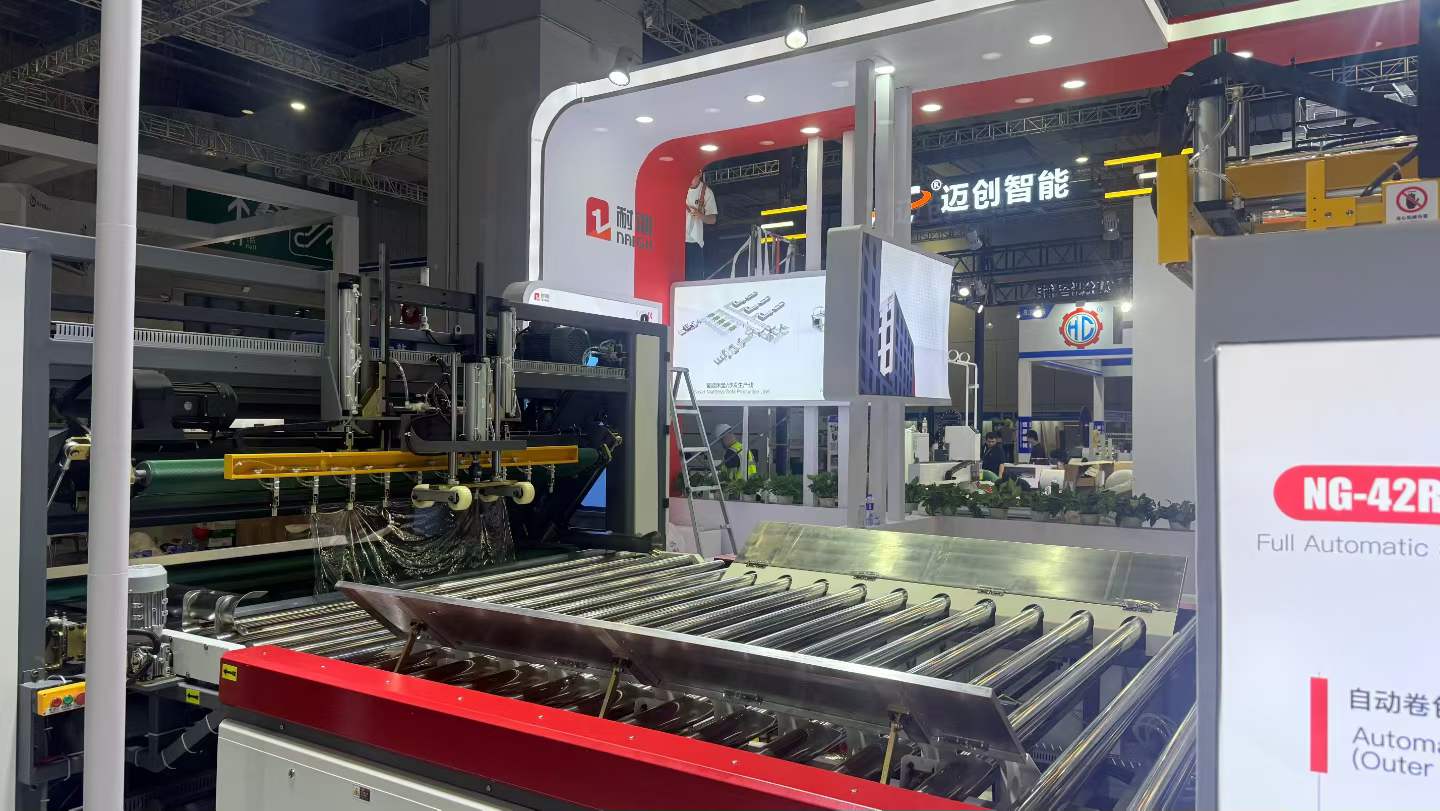
Different production volumes create different packing requirements. When sofa output increases, manual packing can become more time-consuming and labor-intensive.
For manufacturers producing a large number of sofas every day, automation can help connect compression, folding, film packing, sealing, and roll packing into a more consistent workflow.
Low-Volume Sofa Production
Small or low-volume manufacturers may not need a fully automated production line.
A semi-automatic sofa compression or packing machine can be suitable when production volume is limited or when manufacturers produce many different sofa models.
Semi-automatic equipment can provide greater flexibility while reducing the amount of manual work required during packing.
Medium-Volume Sofa Production
As production volume increases, manufacturers may need more efficient packing equipment.
A combination of sofa compression, film packing, and roll packing machines can reduce repetitive manual operations and improve production flow.
At this stage, manufacturers should also consider how quickly operators can transfer sofas between different packing processes.
High-Volume Sofa Production
High-volume sofa manufacturers often have more demanding requirements for packing speed and consistency.
A fully automatic sofa compression and roll packing line can integrate multiple processes into one production system. Depending on the configuration, the line may include automatic feeding, compression, folding, film packing, sealing, and roll packing.
This type of automation can reduce manual handling and support continuous production.
How Automation Can Improve Sofa Packing
1. Higher Packing Efficiency
Automated equipment can maintain a consistent working cycle and reduce delays between different packing processes.
2. Lower Manual Handling
As production volume increases, repetitive manual operations can require more workers. Automation can reduce the amount of manual handling needed for each sofa.
3. Consistent Package Quality
Automated compression and packing can help maintain more consistent package dimensions and packing results.
4. Better Space Utilization
Compressed and roll-packed sofas require less space than unpacked products, which can improve warehouse and transportation efficiency.
5. Easier Production Planning
Automated packing equipment can provide a more predictable processing capacity, making it easier for manufacturers to coordinate sofa production and packing schedules.
How to Match Automation Level With Production Volume
Manufacturers should evaluate several factors before choosing sofa packing equipment:
-
Daily or monthly sofa output
-
Sofa dimensions and designs
-
Number of product models
-
Required packing speed
-
Available labor
-
Factory space
-
Budget for automation
-
Expected future production growth
Production volume should not be the only consideration. Product variety and the required packing process can also determine whether semi-automatic or fully automatic equipment is more appropriate.
Plan for Future Production Growth
A sofa manufacturer may have moderate production today but expect significantly higher output in the future. In this situation, it can be useful to consider equipment that allows additional automation or integration later.
Planning the packing system around future production requirements can help avoid replacing equipment too quickly as capacity increases.
Conclusion
Production volume has a direct influence on sofa packing automation needs. Low-volume manufacturers may benefit from flexible semi-automatic equipment, while higher-volume factories may require integrated automatic sofa compression and roll packing solutions.
By evaluating production output, product variety, labor requirements, packing speed, and future growth, sofa manufacturers can select an automation configuration that fits their actual production needs.


