Categories
Why Sofa Volume Matters in International Furniture Logistics |NAIGU
Sofa volume plays an important role in international furniture logistics. This article explains how reducing packed sofa volume can improve container utilization, warehouse efficiency, and transportation costs, while introducing compression roll packing as a practical solution for suitable sofa products.
Sep 11th,2026
56 Views
For furniture manufacturers and exporters, sofa volume is an important factor in international logistics. Unlike many compact products, sofas are large, bulky, and often limited by available container space rather than weight.
When a sofa occupies less space after packing, manufacturers may be able to improve container utilization, reduce warehouse requirements, and lower transportation costs per unit. This is why sofa compression packing and sofa roll packing are becoming increasingly relevant for international furniture logistics.
1. Sofa Volume Directly Affects Shipping Efficiency
A sofa can occupy a large amount of space even when its actual weight is relatively low. In international transportation, especially ocean freight, available cubic space can become the main limitation.
For example, a container may still have unused weight capacity while there is no practical room for additional sofas. This situation is often described as “cubing out,” where cargo reaches the available volume limit before reaching the weight limit.
For sofa exporters, this means that reducing packed volume can be just as important as controlling product weight.
2. Smaller Sofa Packages Can Improve Container Utilization
Container loading efficiency depends heavily on package dimensions, shape, and stacking possibilities.
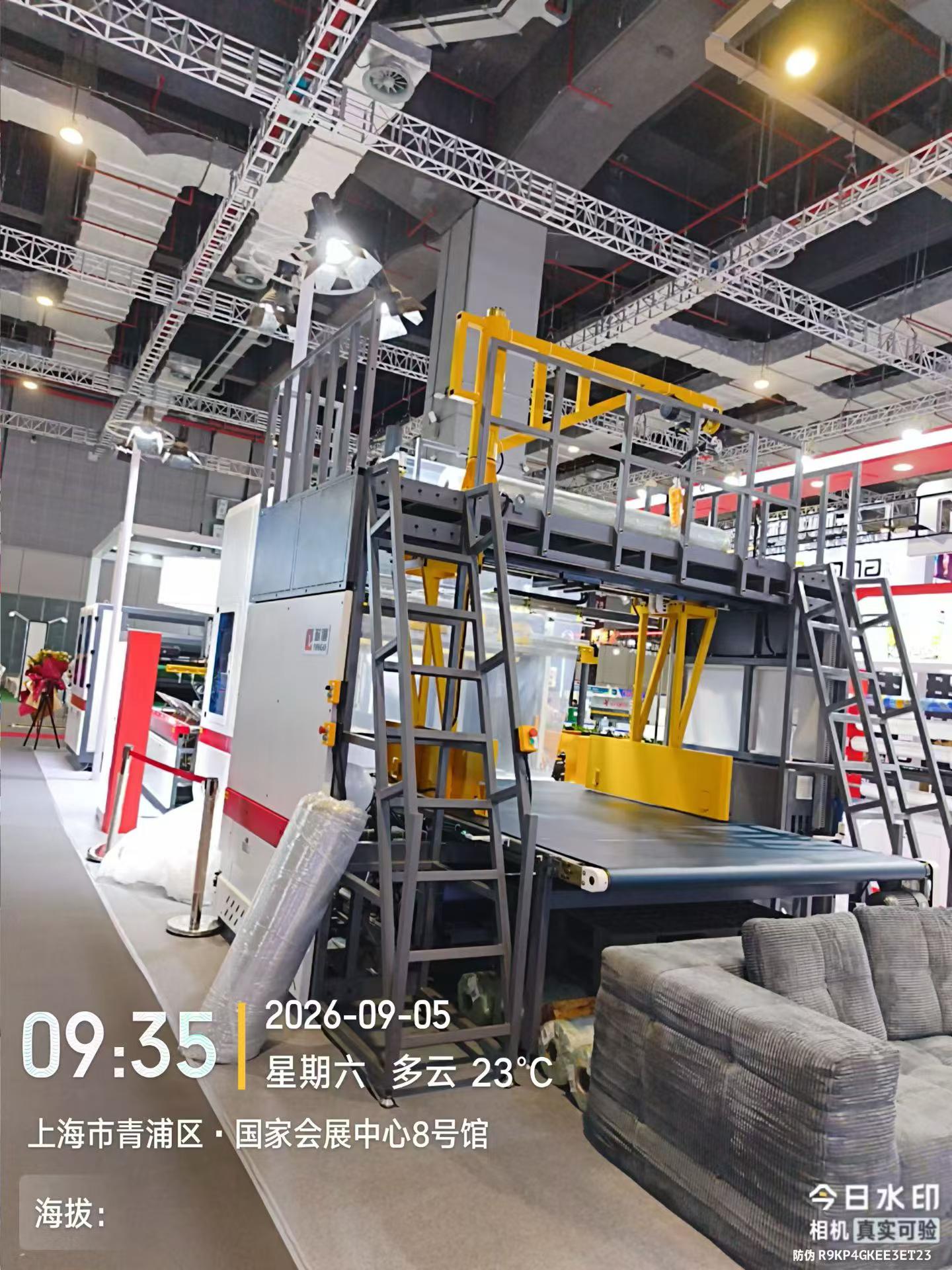
Traditional sofa packing may leave considerable empty space between products because sofas have irregular shapes and large cushions. A more compact package can make it easier to arrange products efficiently inside a container.
With suitable sofa compression packing, manufacturers can potentially:
-
Load more sofas into the same container
-
Reduce unused container space
-
Improve loading efficiency
-
Lower transportation cost per sofa
-
Reduce the number of shipments required
The actual improvement depends on sofa construction, dimensions, compression performance, and the final packing configuration.
3. Sofa Compression Can Reduce Packed Volume
Sofa compression packing uses controlled pressure to reduce the volume of suitable sofas before wrapping and transportation.
A typical process may include:
-
Sofa feeding
-
Compression
-
Film wrapping
-
Sealing
-
Folding or rolling
-
Final package preparation
The purpose is not simply to make the sofa smaller. The compression process should create a stable package while maintaining appropriate product protection and allowing the sofa to recover its intended shape after unpacking.
Not every sofa is suitable for the same compression method. Foam characteristics, upholstery, frame construction, cushion structure, and recovery performance should all be evaluated before selecting a packing solution.
4. Lower Volume Can Reduce Logistics Cost Per Unit
When more sofas can be loaded into the same container, the transportation cost can potentially be distributed across more units.
The basic relationship is:
Lower packed volume → Better container utilization → More units per shipment → Potentially lower logistics cost per sofa
For international furniture manufacturers, this can have a significant effect when multiplied across hundreds or thousands of sofas.
However, exporters should calculate the actual benefit using their own:
-
Sofa dimensions
-
Original packed volume
-
Compressed package dimensions
-
Container type
-
Units per container
-
Freight rate
-
Annual shipping volume
This provides a more realistic estimate than using a general compression percentage.
5. Volume Also Matters in Warehouse Management
Sofa volume affects logistics before products reach the port.
Large finished sofas require more warehouse space for:
-
Finished-product storage
-
Production buffers
-
Shipping preparation
-
Loading operations
-
Temporary inventory
Compact sofa packages can help manufacturers use warehouse space more efficiently. This can be particularly valuable for factories with high production volumes or limited storage areas.
Reducing the physical footprint of finished products can also simplify internal material handling and preparation for export shipments.
6. Packing Film Is Part of the Logistics Solution
Reducing sofa volume is only one part of efficient export packing. The packing film must also provide sufficient strength and stability during transportation.
For sofa compression and roll packing, manufacturers should consider:
-
Tensile strength
-
Puncture resistance
-
Film thickness
-
Flexibility
-
Sealing performance
-
Resistance to dust and moisture
The appropriate film depends on the sofa's weight, shape, compression ratio, and transportation conditions. Using unsuitable film may affect package stability during loading, transportation, and unloading.
7. Measure Volume Before Investing in Packing Equipment
Furniture manufacturers should compare their current logistics performance with the expected result after compression packing.
A simple evaluation can include:
Logistics Factor
|
Traditional Packing
|
Compression Packing
|
Packed volume
|
Higher
|
Lower
|
Container utilization
|
More limited
|
Potentially improved
|
Warehouse requirement
|
Higher
|
More efficient
|
Units per container
|
Lower
|
Potentially higher
|
Handling
|
Bulky
|
More compact
|
Freight cost per unit
|
Potentially higher
|
Potentially lower
|
This comparison helps manufacturers understand whether a sofa compression packing machine can create meaningful logistics benefits for their specific products.
8. Why Sofa Volume Matters for Global Furniture Brands
For furniture brands selling across Europe, North America, Southeast Asia, the Middle East, and other international markets, logistics efficiency can directly influence landed cost and distribution competitiveness.
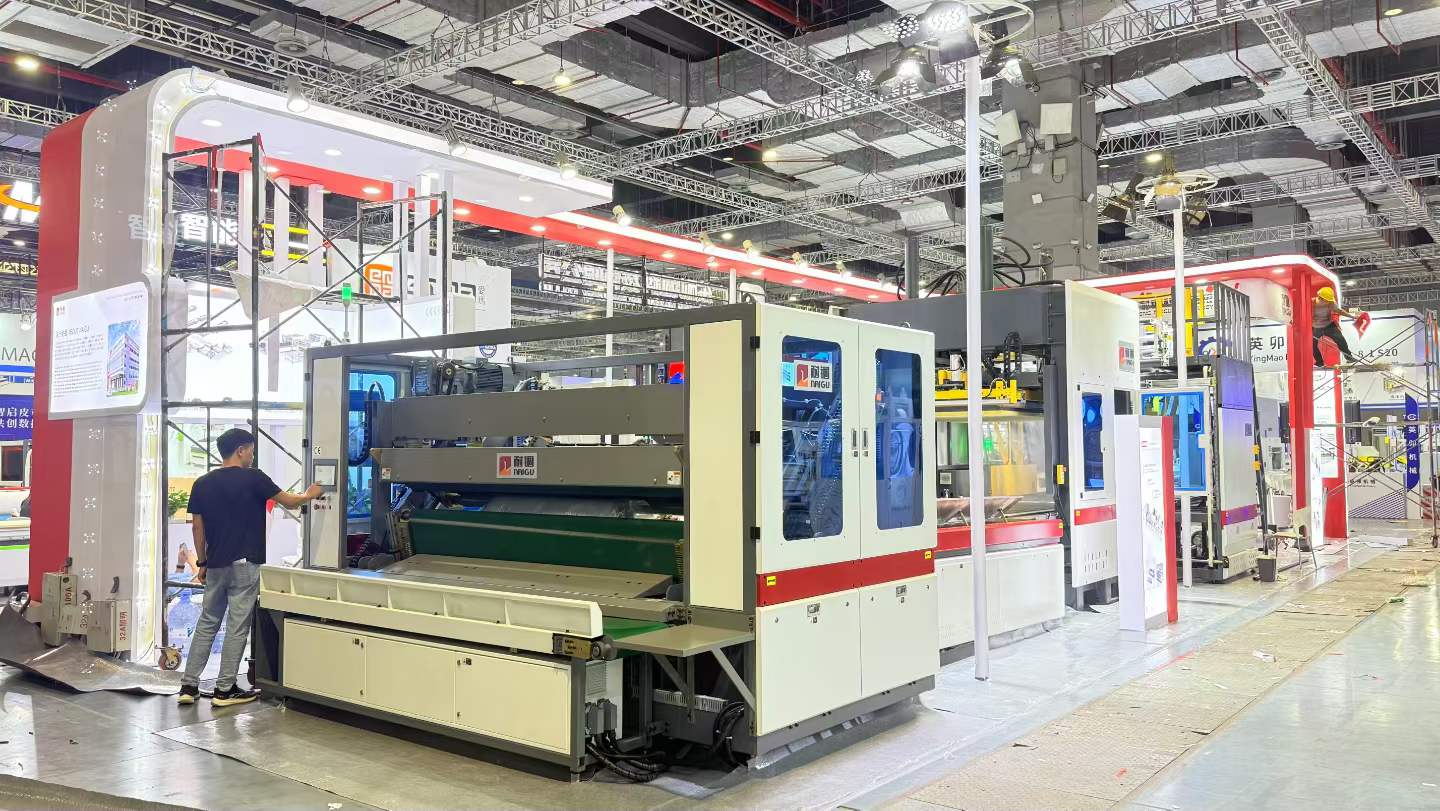
A sofa that is cheaper to manufacture but expensive to transport may not remain competitive after freight, warehousing, and handling costs are added.
Therefore, international furniture logistics should consider the entire process:
Production → Packing → Container Loading → International Shipping → Warehousing → Distribution
Optimizing sofa volume at the packing stage can improve efficiency throughout this supply chain.
Conclusion
Sofa volume is more than a packing measurement. It is an important logistics factor that can influence container utilization, warehouse efficiency, transportation cost, and the overall competitiveness of internationally distributed furniture.
For suitable sofa products, compression packing and roll packing can provide a practical way to reduce packed volume and improve logistics efficiency. Manufacturers should evaluate their sofa structure, dimensions, compression requirements, packing film, and container loading plan before selecting equipment.
For furniture factories looking to optimize international sofa logistics, NAIGU can provide sofa compression roll packing solutions based on sofa dimensions, production capacity, and required finished package size.
Contact NAIGU to discuss your sofa packing requirements and explore a more space-efficient solution for international furniture transportation.


