Categories
Reducing Human Error Through Automated Mattress Packing |NAIGU
Reducing Human Error Through Automated Mattress Packing explores how automated mattress packing machines help manufacturers reduce packing mistakes, improve compression and sealing consistency, minimize film waste, and increase production efficiency. The article explains the key advantages of mattress packing automation and what manufacturers should consider when selecting an automated packing solution.
Aug 19th,2026
51 Views
In modern mattress manufacturing, packing is no longer just a final production step. It directly affects product protection, labor efficiency, packing consistency, and shipping costs. As mattress factories increase production volumes, automated mattress packing machines are becoming an effective solution for reducing human error and improving overall packing performance.Why Human Error Happens in Mattress PackingManual mattress packing often requires workers to perform repetitive tasks such as positioning mattresses, feeding packing film, controlling compression, sealing packages, and checking finished rolls. When production continues for several hours, inconsistent operation can lead to problems such as:
- Incorrect film positioning
- Uneven compression
- Inconsistent package dimensions
- Improper sealing
- Excessive or insufficient packing film usage
- Damaged film during packing
- Inconsistent finished roll sizes
These issues may result in material waste, rework, product damage, and inconsistent customer experience.How Automated Mattress Packing Reduces Errors1. Consistent Packing ProceduresAn automated mattress packing machine follows predefined operating parameters. Once the machine is properly configured, the same packing sequence can be repeated for each mattress.This helps reduce variations caused by different operators and provides more consistent packing results across production batches.2. More Accurate Compression ControlFor compressed mattresses and bed-in-a-box products, compression must be controlled carefully. Excessive compression can affect product recovery, while insufficient compression can increase package volume.Automated compression systems can provide more stable control of the packing process, helping manufacturers achieve consistent compression results.3. Reduced Film WasteManual film handling can lead to unnecessary film consumption because workers may use different amounts of material during each packing cycle.Automated systems can control film feeding and cutting more consistently. This helps manufacturers optimize film usage and reduce unnecessary packing material waste.4. Consistent Sealing QualitySealing is an important part of mattress packing. Poor sealing can expose the mattress to dust, moisture, and other external factors during storage or transportation.Automated sealing systems help maintain consistent sealing conditions and reduce problems caused by manual operation.5. Fewer Repetitive Manual OperationsAutomation reduces the number of repetitive tasks operators need to perform. Instead of manually controlling every packing step, workers can focus more on machine monitoring, quality inspection, material preparation, and production management.This can make the packing process more efficient while reducing the possibility of operational mistakes.Automated Packing Improves Production ConsistencyOne of the biggest advantages of automation is repeatability. A mattress factory may have multiple shifts and different operators. With manual packing, production results can vary between workers.An automated mattress packing system provides standardized operating procedures. This makes it easier for manufacturers to maintain consistent:
- Package dimensions
- Compression levels
- Film consumption
- Sealing quality
- Production cycle times
- Finished product appearance
This consistency is particularly valuable for mattress manufacturers supplying online retailers, furniture brands, wholesalers, and international markets.Automation Helps Improve Quality ControlAutomated packing does not eliminate the need for quality inspection. Instead, it makes quality control more systematic.Manufacturers can establish standard machine parameters for different mattress sizes and product types. Operators can then monitor whether the machine is working within the required settings.For factories producing multiple mattress models, programmable settings can also make it easier to switch between different packing specifications.Lower Error Rates Can Reduce Production CostsHuman errors can create hidden costs. A single packing mistake may require film replacement, repacking, additional labor, or even product inspection.When these problems happen repeatedly, the total cost can become significant.By improving process consistency, automated mattress packing can help reduce:
- Film waste
- Repacking labor
- Product handling
- Production interruptions
- Quality-related costs
The actual savings depend on production volume, mattress specifications, labor costs, and the level of automation used.Automated Mattress Packing for High-Volume ProductionAutomation becomes particularly valuable as production volumes increase. A factory producing hundreds or thousands of mattresses per day needs a packing process that can maintain stable performance throughout the production shift.For high-volume mattress manufacturers, automated compression roll packing machines can integrate multiple operations into a standardized workflow, helping factories improve production efficiency while reducing dependence on manual operations.Choosing the Right Automated Mattress Packing MachineNot every mattress factory has the same requirements. Before selecting a machine, manufacturers should consider:
- Mattress dimensions – including length, width, and thickness.
- Mattress materials – such as spring, foam, memory foam, or hybrid construction.
- Required compression ratio – based on product characteristics and shipping requirements.
- Target production capacity – determine the required packing speed.
- Packing film specifications – ensure compatibility between the machine and film.
- Package format – flat packed, rolled, compressed, or vacuum packed.
- Available factory space – consider machine dimensions and material flow.
- Automation level – choose between semi-automatic and fully automatic solutions according to production needs.
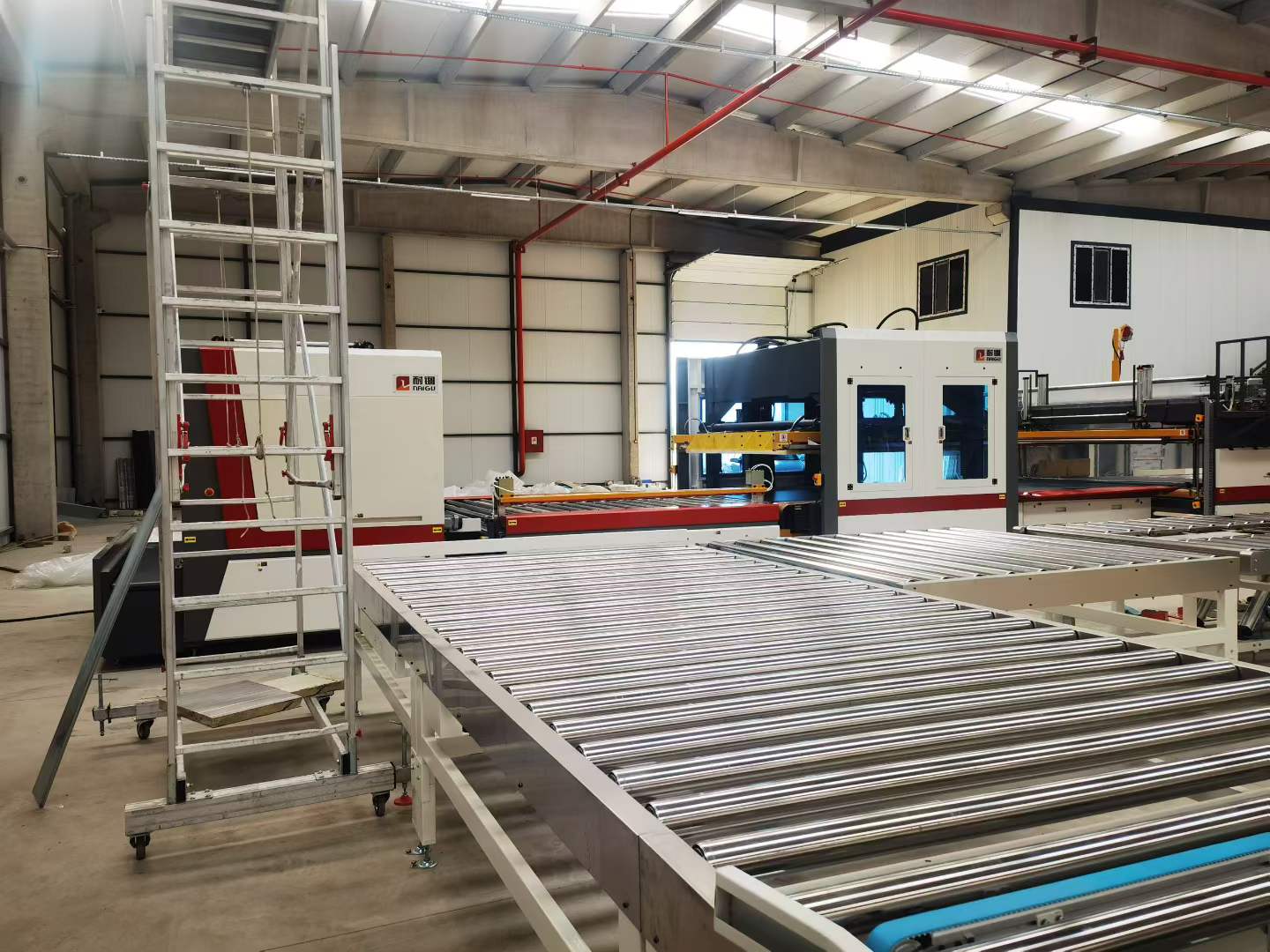
Why NAIGU Automated Mattress Packing Solutions?NAIGU provides mattress packing machinery designed for manufacturers looking to improve packing efficiency, consistency, and automation. Depending on the mattress type and production requirements, suitable solutions can support compression, film packing, sealing, and roll packing processes.For mattress factories dealing with increasing production volumes, automated packing can be an important step toward a more standardized and efficient production line.ConclusionReducing human error through automated mattress packing is not simply about replacing manual labor. It is about creating a more consistent, controllable, and efficient packing process.By standardizing compression, film feeding, sealing, and other repetitive operations, automated mattress packing machines can help manufacturers reduce packing mistakes, minimize material waste, improve product consistency, and support higher production capacity.For mattress manufacturers planning to upgrade their packing process, investing in the right level of automation can provide long-term benefits across both production and logistics.Looking for a reliable automated mattress packing machine for your factory? NAIGU provides mattress compression, roll packing, and automated packing solutions for different mattress sizes and production requirements.Contact NAIGU today to discuss your mattress packing needs and get a suitable machine recommendation and quotation.📧 Email: jenney@gdnaimei.com📱 WhatsApp/Phone: +86 13924835577🌐 Website: https://naigumattressmachine.com


