Categories
Prepare Your Factory for Mattress Roll Packing | NAIGU
Learn how to prepare your factory for mattress roll packing production, including machine selection, layout planning, film preparation, workflow setup, operator training, and trial production.
Oct 15th,2026
16 Views
How to Prepare Your Factory for Mattress Roll Packing Production
Introducing mattress roll packing production requires more than purchasing a roll packing machine. Mattress manufacturers also need to prepare their factory layout, evaluate mattress compatibility, select suitable packing film, organize production workflows, and train operators.
Proper preparation helps reduce installation delays, improve packing consistency, and integrate the new equipment into existing manufacturing operations. Here are seven key steps to help prepare your factory for mattress roll packing production.
1. Evaluate Which Mattresses Are Suitable for Roll Packing
Before selecting a mattress roll packing machine, manufacturers should identify the mattress types they intend to pack. Mattress construction, materials, thickness, dimensions, and recovery characteristics can all affect the packing process.
Memory foam and certain other foam mattresses are commonly considered for compression and roll packing. However, not every mattress is suitable for this method. Spring mattresses and hybrid mattresses require careful evaluation based on their internal structure and the machine's capabilities.
Prepare a list of your main mattress models, including:
-
Mattress length and width
-
Mattress thickness and weight
-
Foam, spring, or hybrid construction
-
Expected final package dimensions
-
Recovery requirements after unpacking
Providing accurate product information helps equipment suppliers recommend a suitable packing method and machine configuration.
2. Plan the Factory Layout and Installation Space
A mattress roll packing machine needs sufficient space for installation, operation, material feeding, and finished-product handling. Factories should consider the entire workflow rather than measuring only the machine footprint.
When planning the layout, allow space for:
-
Mattress feeding and positioning
-
Compression and roll packing operations
-
Film rolls and packing material storage
-
Finished-package inspection
-
Temporary storage and pallet preparation
-
Operator access and machine maintenance
The required floor space depends on the machine model, automation level, mattress dimensions, and production line configuration. Before installation, confirm the equipment dimensions and layout drawings with the supplier.
A well-planned layout can reduce unnecessary material movement and help prevent bottlenecks between mattress production and final packing.
3. Choose the Right Mattress Roll Packing Machine
Different factories have different production targets, labor arrangements, and investment budgets. Selecting the right machine requires evaluating current needs as well as expected business growth.
Common options include semi-automatic mattress packing machines, automatic compression and roll packing machines, and integrated packing lines.
When comparing equipment, consider:
-
Production capacity: Expected output per shift and daily production targets.
-
Mattress compatibility: Supported dimensions, thicknesses, materials, and packing formats.
-
Automation level: Which operations are automated and which require manual assistance.
-
Package requirements: Target roll diameter, package length, and film-wrapping method.
-
Service support: Installation, operator training, spare parts, and technical assistance.
Do not select a machine based on advertised speed alone. Confirm how its actual performance matches your mattress specifications and factory workflow.
4. Prepare Suitable Mattress Packing Film
Packing film is essential for protecting the mattress and maintaining package integrity. The wrong film specification may lead to tearing, poor sealing, excessive stretching, or inconsistent finished packages.
Before production begins, confirm the following film characteristics with the machine supplier:
-
Film material and thickness
-
Film width and roll dimensions
-
Tensile and puncture resistance
-
Compatibility with the machine's sealing system
-
Performance during compression and roll packing
It is advisable to test the selected film using actual mattresses and the intended machine settings. This helps identify potential problems before large-scale production.
Factories should also establish clear procedures for film storage, material inspection, and replenishment to minimize interruptions during packing.
5. Organize the Production Workflow
Mattress roll packing should be coordinated with upstream manufacturing and downstream warehousing. If mattresses arrive at the packing station too quickly or too slowly, the packing process may become a production bottleneck.
Before commissioning the equipment, define how mattresses will move from inspection to packing and then to finished-goods storage.
A practical workflow may include:
-
Mattress finishing and quality inspection
-
Mattress identification and preparation
-
Transfer to the packing station
-
Compression, rolling, and film packing as required
-
Finished-package inspection and labeling
-
Transfer to storage or shipment preparation
For factories handling multiple mattress models, product identification and production scheduling are particularly important. Clear procedures can reduce changeover confusion and help operators prepare the correct film and machine settings for each order.
6. Prepare Utilities, Safety Measures, and Operator Training
Before installation, confirm the machine's electrical requirements and any compressed-air or other utility requirements specified by the manufacturer.
The factory should also prepare suitable operator access, emergency stops, protective devices, and maintenance areas according to the equipment documentation and applicable safety requirements.
Operator training should cover:
-
Machine startup and shutdown
-
Correct mattress positioning
-
Film loading and replacement
-
Operating parameter adjustments
-
Routine cleaning and maintenance
-
Basic troubleshooting and defect reporting
-
Safe operation and emergency procedures
Proper training helps operators use the equipment consistently and identify problems before they affect production quality.
7. Conduct Trial Production Before Full Operation
A trial production run allows the factory to verify the complete packing process before introducing the machine into normal production.
Test representative mattress models and check the following points:
-
Packing cycle stability
-
Film feeding and sealing quality
-
Final package dimensions
-
Mattress condition after unpacking and recovery
-
Product handling and storage requirements
-
Operator familiarity with the machine
-
Coordination with upstream and downstream processes
Record the results and adjust the machine settings where necessary, following the supplier's recommendations. If several mattress models are involved, establish suitable settings and inspection criteria for each approved product type.
A documented commissioning process provides a useful reference for future production and quality control.
Conclusion
Preparing a factory for mattress roll packing production involves coordinating product compatibility, machine selection, factory layout, packing film, workflow, utilities, and operator training.
By completing these preparations before full-scale production, mattress manufacturers can integrate roll packing equipment more smoothly, improve process consistency, and support more efficient finished-product handling.
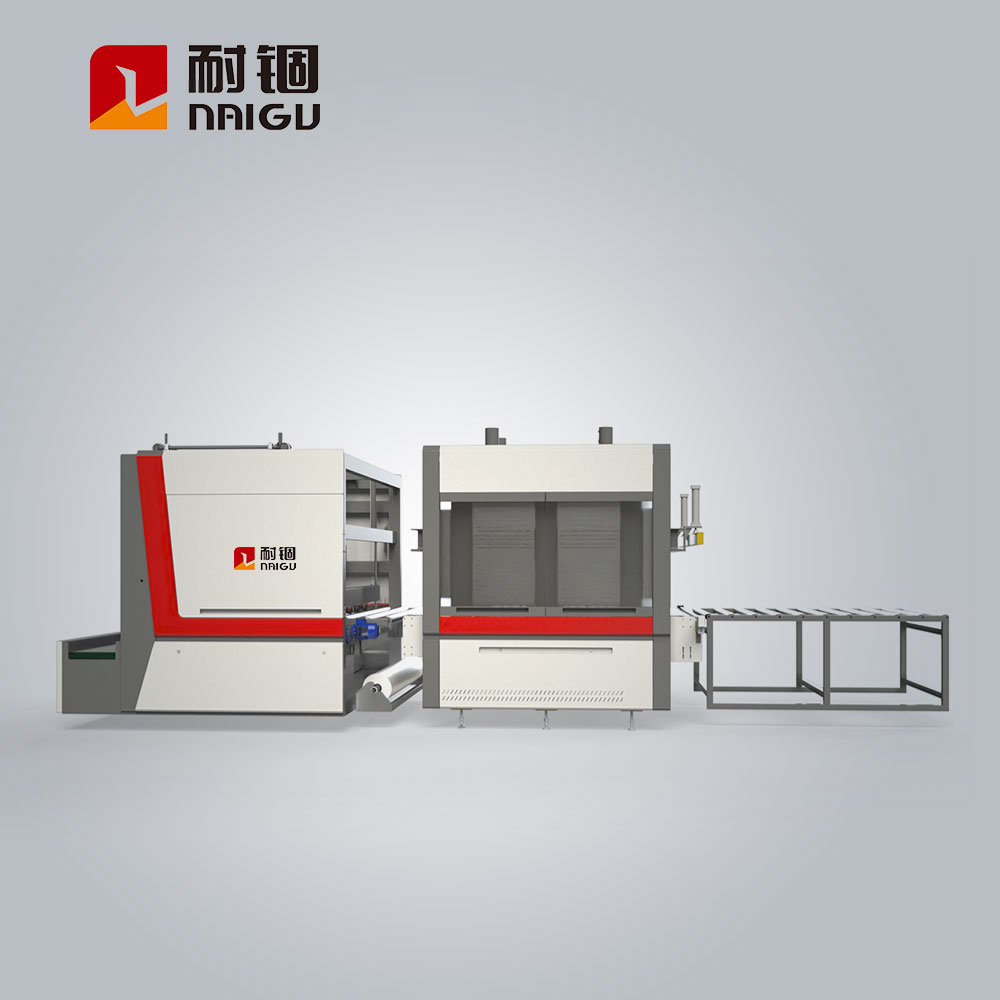
The most suitable solution depends on your mattress construction, production capacity, available space, and packing requirements. Careful planning helps ensure that your investment supports both current operations and future production needs.
NAIGU provides mattress packing machinery and customized solutions for manufacturers with different production requirements. Whether you are introducing roll packing for the first time or upgrading an existing packing process, our team can help evaluate suitable equipment based on your mattress specifications and factory layout.
Contact NAIGU to discuss your mattress roll packing project and find a suitable solution for your factory.


