Categories
Mattress Packing Requirements for International Markets |NAIGU
International mattress packing requires the right balance of product protection, material performance, packing efficiency, and transportation costs. This article explains key mattress packing requirements for global markets, including PE film selection, compression packing, package dimensions, machine compatibility, and logistics efficiency.
Sep 4th,2026
47 Views
As mattress manufacturers expand into international markets, packing requirements become increasingly important. Mattresses may travel long distances by sea, road, or rail and can experience changes in temperature, humidity, handling conditions, and storage environments. Proper packing helps protect mattress quality while also improving warehouse and transportation efficiency.
For international mattress manufacturers and exporters, the right packing solution should balance product protection, packing efficiency, material performance, transportation requirements, and cost control.
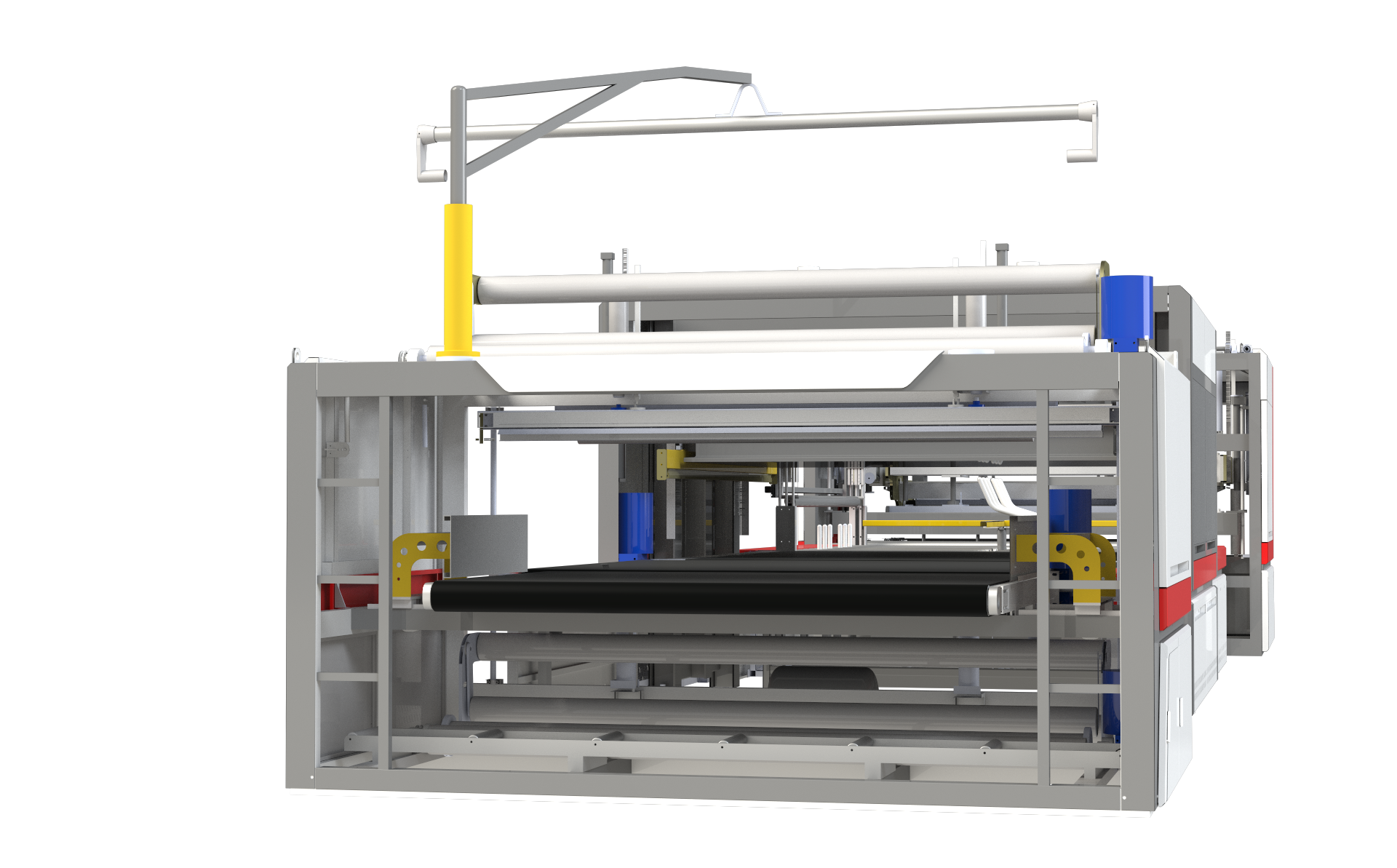
Why International Mattress Packing Requires Special Attention
A mattress prepared for export may spend weeks in transportation or storage before reaching its final destination. During this period, the packing material needs to protect the product from dust, moisture, scratches, compression-related movement, and handling.
Different international markets may also have different expectations regarding:
-
Mattress dimensions
-
Packing methods
-
Film specifications
-
Package appearance
-
Labeling requirements
-
Transportation conditions
-
Storage environments
-
Customer handling preferences
Therefore, mattress packing should be considered as part of the complete export process rather than simply the final production step.
1. Strong and Suitable Packing Materials
Packing film is one of the most important components of mattress export packing.
For mattresses, manufacturers may use PE film, PE bags, stretch film, or other suitable packing materials depending on the packing method.
Important film characteristics include:
-
Tensile strength
-
Puncture resistance
-
Tear resistance
-
Flexibility
-
Sealing performance
-
Film thickness
-
Transparency
-
Suitable width and length
For compressed mattresses, film performance becomes particularly important because the material needs to withstand the compression and maintain package integrity during transportation.
2. Protection Against Dust and Moisture
International shipments can pass through different climates and storage environments. A mattress may encounter humid ports, dry warehouses, temperature changes, or long periods inside shipping containers.
A suitable outer packing layer can help protect mattresses against common external contamination such as dust and moisture.
However, manufacturers should select materials according to their actual transportation and storage conditions rather than assuming that one film specification is suitable for every market.
3. Compact Packing for International Transportation
Transportation costs are closely related to product volume.
Traditional mattress packing can leave mattresses in a relatively bulky condition. Compression packing technology can reduce the volume of suitable mattresses before final sealing.
A typical process may include:
Mattress → Compression → Film Packing → Sealing → Compact Package → Container Loading
Reducing mattress volume can help manufacturers improve:
-
Container utilization
-
Warehouse capacity
-
Loading efficiency
-
Product handling
-
Transportation planning
The actual compression ratio depends on mattress construction, foam density, spring system, dimensions, and other product characteristics.
4. Consistent Package Dimensions
For international distribution, consistent package dimensions can make warehouse and transportation planning easier.
Automated or semi-automatic mattress packing machines can help standardize repetitive packing processes. More consistent packages can also simplify:
-
Stacking
-
Palletizing
-
Container loading
-
Warehouse organization
-
Product handling
For high-volume mattress factories, standardized packing can become an important part of overall production efficiency.
5. Different Markets May Require Different Solutions
International mattress markets are not identical.
A manufacturer exporting mattresses to Europe may have different product dimensions, customer expectations, and logistics requirements from a manufacturer serving Southeast Asia, Africa, North America, or South America.
For this reason, manufacturers should consider the destination market when selecting:
-
Mattress packing method
-
Film specifications
-
Package dimensions
-
Compression level
-
Labeling
-
Loading method
-
Protection requirements
The goal is to create a packing solution that fits the product and distribution chain.
6. Packing for Long-Distance Shipping
Long-distance shipping places additional demands on mattress packing.
During international transportation, packages may experience:
-
Repeated handling
-
Vibration
-
Pressure from other cargo
-
Changes in temperature
-
Changes in humidity
-
Extended storage periods
A suitable packing solution should therefore provide sufficient protection throughout the logistics process.
For compressed mattresses, stable sealing and appropriate film strength are particularly important because the package needs to maintain its shape after compression.
7. The Importance of Mattress Packing Machines
For factories with large production volumes, manual mattress packing may become a bottleneck.
A mattress packing machine can automate or semi-automate key packing processes and help manufacturers improve production consistency.
Depending on the factory's requirements, manufacturers can consider:
-
Semi-automatic mattress packing machines
-
Automatic mattress packing machines
-
Mattress compression roll packing machines
-
Integrated mattress production and packing lines
The right equipment depends on production capacity, mattress size, product type, factory layout, labor availability, and required automation level.
8. Film and Machine Compatibility
A common mistake is to select the machine and film independently.
In reality, packing film specifications can affect machine performance. Film width, thickness, flexibility, and sealing characteristics need to be compatible with the equipment and the mattress packing process.
For compression packing, the relationship becomes even more important.
Manufacturers should evaluate:
Mattress Type + Compression Requirements + Machine Configuration + Film Performance
Testing the complete packing process before large-scale production can help identify potential problems and optimize the final solution.
9. Cost Control for Export Mattress Manufacturers
International mattress packing should provide protection without unnecessarily increasing material consumption.
Manufacturers can evaluate packing costs through several factors:
-
Film thickness
-
Film consumption per mattress
-
Compression ratio
-
Machine efficiency
-
Labor requirements
-
Packing speed
-
Container utilization
-
Warehouse space
A lower film price does not necessarily mean lower total packing costs. A stronger and more suitable film may reduce breakage and material waste, while efficient compression packing may improve transportation efficiency.
Therefore, manufacturers should evaluate total packing cost, rather than only the purchase price of the packing material.
10. What Should International Buyers Ask Mattress Packing Suppliers?
Before purchasing a mattress packing machine or packing film, international buyers should provide detailed product information.
Useful specifications include:
-
Mattress length and width
-
Mattress thickness
-
Mattress type
-
Foam density or spring construction
-
Daily production capacity
-
Desired package dimensions
-
Required compression level
-
Packing material
-
Target export markets
-
Current packing method
Buyers can also ask suppliers about machine capacity, film compatibility, installation, operator training, spare parts, and after-sales technical support.
How NAIGU Supports International Mattress Packing
NAIGU provides mattress packing machinery and packing materials for manufacturers looking to improve their export packing processes.
Solutions can include mattress packing machines, mattress compression roll packing machines, PE mattress packing bags, and packing films.
By considering the mattress, machine, film, production capacity, and transportation requirements together, NAIGU can help manufacturers develop a more suitable packing solution for different international markets.
For manufacturers planning to increase production, expand exports, or improve container utilization, the right mattress packing system can support both production efficiency and international logistics.
Frequently Asked Questions
What are the main requirements for international mattress packing?
The main requirements include sufficient product protection, suitable packing materials, stable sealing, appropriate package dimensions, transportation efficiency, and compatibility with the destination market.
What film is commonly used for mattress packing?
PE film and PE bags are widely used for mattress packing. The appropriate specification depends on mattress type, packing method, machine configuration, and transportation requirements.
Is compression packing suitable for export mattresses?
Compression packing can be suitable for many foam and mattress products. It can reduce product volume and potentially improve container and warehouse utilization. Suitability should be evaluated based on the mattress construction.
How can mattress manufacturers reduce export packing costs?
Manufacturers can evaluate film consumption, machine efficiency, labor requirements, compression packing, container utilization, and warehouse space together. Optimizing the complete packing process is often more effective than focusing only on film price.
What information should buyers provide when requesting a mattress packing machine?
Buyers should provide mattress dimensions, thickness, mattress type, production capacity, desired compression level, packing material, and expected package size. This information helps suppliers recommend a suitable machine configuration.
Conclusion
International mattress packing requires more than simply covering the mattress with plastic. Manufacturers need to consider protection, film performance, compression, package dimensions, production efficiency, transportation, and total packing costs.
A well-designed packing solution can help mattress manufacturers protect products during long-distance shipping while improving warehouse utilization and container loading efficiency.
For mattress factories serving international markets, choosing the right mattress packing machine and packing film can be an important step toward more efficient production and global distribution.


