Categories
Key Investment Factors for Sofa Compression Packing Equipment |NAIGU
Investing in sofa compression packing equipment requires careful evaluation of production capacity, sofa compatibility, automation level, compression performance, packing film, factory layout, and total operating costs. This article explains the key factors furniture manufacturers should consider when selecting a sofa compression packing solution.
Sep 10th,2026
55 Views
For sofa manufacturers and furniture exporters, investing in compression packing equipment can improve packing efficiency, reduce product volume, and optimize transportation and warehouse space. However, selecting the right sofa compression packing machine requires more than comparing equipment prices.
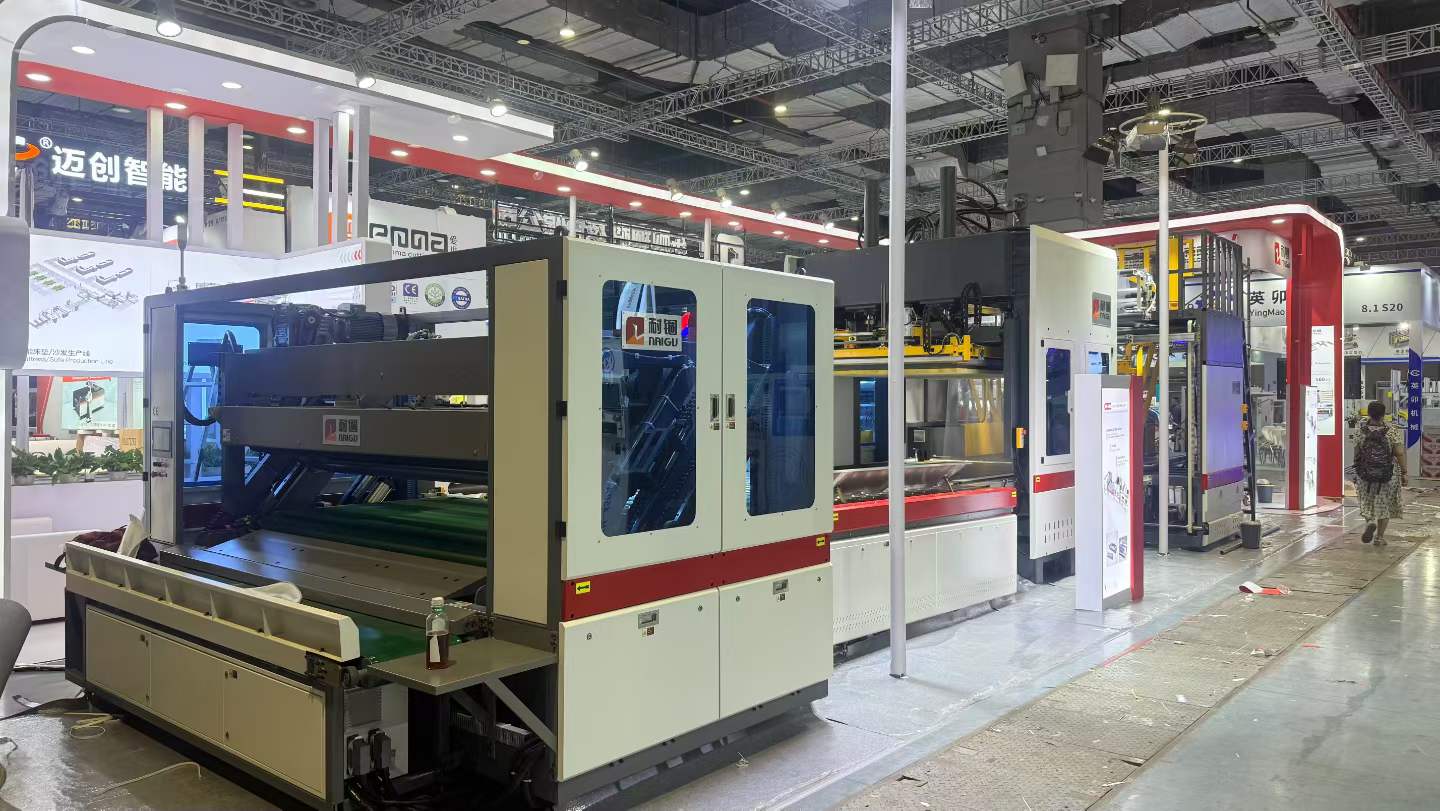
Manufacturers should evaluate production capacity, sofa specifications, automation requirements, packing film, factory layout, and long-term operating costs before making an investment.
1. Sofa Compatibility
The first consideration is whether the machine can handle the sofas you actually produce.
Manufacturers should evaluate:
-
Sofa length, width, and height
-
Foam type and density
-
Cushion construction
-
Frame structure
-
Sofa weight
-
Recovery characteristics
Not every sofa is suitable for the same compression process. Testing representative sofa models before purchasing equipment can help confirm the expected compression results.
2. Production Capacity
Production volume should determine the required machine capacity.
A factory producing a few dozen sofas per day may not need the same equipment as a high-volume exporter processing hundreds of units.
Manufacturers should consider:
-
Sofas packed per hour
-
Daily production volume
-
Monthly production targets
-
Peak-season requirements
-
Expected future growth
Choosing equipment based on both current output and future demand can provide better long-term value.
3. Automation Level
Sofa compression equipment can range from semi-automatic systems to highly automated compression and roll packing lines.
A semi-automatic sofa packing machine can reduce repetitive labor while maintaining operator control. Fully automatic systems can provide higher integration for large-volume factories.
The right choice depends on production volume, labor availability, factory layout, and investment budget.
4. Compression Performance
Compression performance directly affects the final package size and potential logistics benefits.
Manufacturers should evaluate:
-
Compression ratio
-
Final package dimensions
-
Compression stability
-
Product recovery after unpacking
-
Compression cycle time
The goal is not simply to achieve the maximum possible compression. The process should balance volume reduction with product integrity and efficient production.
5. Roll Packing Capability
For manufacturers shipping sofas internationally, compression alone may not be enough.
A sofa compression roll packing machine can combine volume reduction with wrapping and roll packing, creating a more compact and manageable finished package.
An integrated process can reduce additional manual handling between compression and packing.
6. Packing Film Requirements
The machine must be compatible with suitable sofa packing film.
Important film factors include:
-
Film thickness
-
Film width
-
Tensile strength
-
Puncture resistance
-
Flexibility
-
Sealing performance
-
Roll dimensions
Film and machine specifications should be evaluated together. Using unsuitable film can affect packing quality and machine performance.
7. Factory Space and Production Layout
Machine size is another important investment factor.
Manufacturers should consider the space required for:
Sofa Feeding → Compression → Roll Packing → Sealing → Finished Product Handling
There should also be sufficient space for operators, film storage, maintenance, and finished packages.
A well-planned layout can reduce unnecessary product movement and improve workflow efficiency.
8. Labor Savings
One reason manufacturers invest in sofa compression equipment is to reduce repetitive manual work.
When evaluating an investment, manufacturers should compare current labor requirements with the expected operator requirements after automation.
Potential savings may come from:
-
Fewer manual packing steps
-
Faster production cycles
-
Reduced internal handling
-
More standardized packing
-
Better labor allocation
Labor savings should be evaluated together with production output rather than considered separately.
9. Container and Warehouse Efficiency
The value of compression packing extends beyond the factory.
A smaller finished package can help manufacturers and distributors optimize:
-
Warehouse space
-
Truck capacity
-
Container loading
-
Finished-product handling
-
International shipping
For export-oriented sofa manufacturers, these logistics benefits can be an important part of the overall return on equipment investment.
10. Machine Reliability and Maintenance
A lower purchase price does not necessarily mean lower total cost.
Manufacturers should evaluate machine durability, maintenance requirements, spare parts availability, and technical support.
Important questions include:
-
How often is preventive maintenance required?
-
Which components are consumable parts?
-
Are spare parts readily available?
-
What technical support is provided?
-
Is installation and operator training included?
Reliable equipment can help minimize unexpected production downtime.
11. Supplier Experience and Technical Support
The supplier's technical capability is especially important for customized sofa compression projects.
A qualified supplier should be able to understand different sofa constructions and recommend suitable compression and packing configurations.
For overseas buyers, additional services such as installation, commissioning, remote support, spare parts, and operator training can make a significant difference.
12. Total Cost of Ownership
The investment decision should consider more than the initial machine price.
Manufacturers can evaluate:
Equipment Cost + Installation + Film Consumption + Labor + Maintenance + Energy + Downtime − Logistics and Operating Savings
This provides a more realistic picture of the long-term value of the equipment.
13. Future Expansion
Production requirements may increase after several years.
Manufacturers should consider whether the selected system can be upgraded with:
-
Additional conveyors
-
Automatic feeding
-
Automatic film handling
-
Additional packing functions
-
Integrated production lines
Equipment that supports future expansion can help factories avoid replacing an entire system as production grows.
Conclusion
Investing in sofa compression packing equipment requires a comprehensive evaluation of product compatibility, production capacity, automation level, compression performance, packing film, factory layout, labor requirements, maintenance, and logistics benefits.
For furniture manufacturers and exporters, the best equipment is not necessarily the cheapest machine. It is the solution that provides reliable compression, efficient roll packing, manageable operating costs, and measurable improvements in production and logistics.
NAIGU provides sofa compression and roll packing solutions for furniture manufacturers with different sofa sizes, production volumes, and export requirements.
Contact NAIGU to evaluate the right sofa compression packing equipment for your factory.
📧 Email: jenney@gdnaimei.com
📱 WhatsApp/Phone: +86 13924835577
🌐 Website: https://naigumattressmachine.com


