Categories
How Packing Automation Changes the Workflow of Mattress Factories |NAIGU
Discover how mattress packing automation improves factory workflows through integrated packing processes, reduced manual handling, consistent packing quality, and more efficient storage and transportation.
Oct 9th,2026
25 Views
How Packing Automation Changes the Workflow of Mattress Factories
Packing automation is changing how mattress factories manage finished products, labor, and daily production schedules. Traditional mattress packing often involves manual handling, separate workstations, and repeated product transfers. By introducing automated mattress packing machines and integrated packing systems, manufacturers can streamline operations, improve packing consistency, and create a more efficient production workflow.
For mattress manufacturers looking to expand production capacity or improve operational efficiency, understanding how packing automation changes factory workflows is an important step toward making informed equipment investments.
1. From Manual Packing to Automated Workflows
In traditional mattress factories, workers may need to move mattresses manually, position them for packing, apply protective film, compress the products, and seal the packages. When these tasks are performed at separate workstations, unnecessary handling and waiting time can slow down production.
Automated packing equipment combines some or all of these operations into a coordinated process. Depending on the machine configuration, the workflow may include automatic feeding, mattress positioning, compression, film wrapping, sealing, folding, and roll packing.
This approach reduces repeated manual operations and helps factories establish a more organized packing process.
2. Connecting Different Packing Stages
One of the biggest changes brought by packing automation is the ability to connect multiple operations into a continuous workflow.
A typical automated mattress packing process may follow this sequence:
Finished Mattress → Inspection → Feeding → Compression → Film Wrapping → Sealing → Roll Packing → Finished Package Transfer
Not every machine includes all these functions. Manufacturers can select individual machines or integrated systems according to their production requirements.
Conveyor systems and automatic transfer equipment can also connect packing machines with upstream production areas and downstream storage operations, reducing unnecessary product movement.
3. Reducing Manual Handling and Labor Pressure
Mattresses are bulky products that can be difficult to move and position repeatedly. Manual packing may require several workers to coordinate lifting, alignment, wrapping, and package transfer.
Automated mattress packing systems can reduce repetitive handling by performing selected operations mechanically. Workers can focus more on machine monitoring, quality inspection, material preparation, and production management.
For factories with high output requirements, better labor allocation can help improve workflow efficiency without relying entirely on additional packing personnel.
However, the actual labor savings depend on the existing process, machine automation level, product range, and factory layout.
4. Improving Packing Speed and Production Coordination
Packing can become a bottleneck when mattress production is faster than the packing department's processing capacity.
Automated equipment helps standardize repetitive packing cycles and can reduce delays caused by manual positioning, wrapping, and sealing. When packing capacity is matched with upstream production, finished mattresses can move through the factory more smoothly.
Manufacturers should evaluate several factors when planning an automated packing line:
-
Average packing cycle time
-
Daily production volume
-
Mattress size and thickness
-
Product changeover time
-
Operator requirements
-
Compatibility with existing production equipment
The objective is not simply to purchase a faster machine, but to create a balanced workflow in which packing capacity supports overall factory output.
5. Maintaining Consistent Packing Quality
Manual packing can produce variations in package dimensions, film tension, sealing quality, and compression results. Automated equipment allows operators to establish repeatable operating parameters for compatible mattress models.
Depending on the machine, these parameters may include compression pressure, sealing temperature, film feeding, and rolling settings.
Consistent settings help reduce unnecessary adjustments and support more uniform finished packages. For manufacturers serving retailers, distributors, and international markets, standardized packing can also simplify product handling and warehouse organization.
Regular inspection and appropriate machine maintenance remain essential for maintaining stable performance.
6. Optimizing Warehouse Storage and Transportation
Packing automation can improve logistics efficiency when it incorporates compression and roll packing for suitable mattresses.
Compressed and roll-packed mattresses generally occupy less space than unpacked products. Smaller packages can help manufacturers organize finished goods, improve warehouse space utilization, and plan container loading more efficiently.
Protective film wrapping and sealing can also help protect mattresses against dust, moisture, and surface contamination during storage and transportation.
The final package size and achievable volume reduction depend on mattress materials, construction, dimensions, and the selected packing method. Manufacturers should verify that their mattresses are suitable for compression before choosing equipment.
7. Supporting Different Levels of Factory Automation
Not every mattress factory needs a fully automatic packing line. The right level of automation depends on production volume, investment budget, product specifications, and available factory space.
Semi-Automatic Packing Equipment
Semi-automatic machines perform key packing operations while workers handle some loading, positioning, or transfer tasks. They can be a practical option for factories with moderate production volumes or varied product specifications.
Automatic Mattress Packing Machines
Automatic machines can perform multiple packing operations with reduced manual intervention. Depending on the model, functions may include compression, film wrapping, sealing, and roll packing.
Integrated Mattress Packing Lines
Integrated systems connect several packing stages through conveyors, automatic transfer equipment, and coordinated controls. They are particularly useful for factories seeking to improve workflow continuity and handle larger production volumes.
Factories can also introduce automation gradually, beginning with the packing stage that creates the greatest production bottleneck.
8. How to Prepare for Packing Automation
Before investing in new equipment, mattress manufacturers should review their existing workflow and identify where delays, repeated handling, or inconsistent packing occur.
Important considerations include:
-
Product specifications: Mattress dimensions, thickness, materials, and internal structure.
-
Production requirements: Current output, target capacity, and expected future growth.
-
Packing method: Flat packing, compression packing, or compression roll packing.
-
Factory layout: Available floor space and the position of upstream and downstream equipment.
-
Integration requirements: Conveyor connections, product transfer, and control systems.
-
Service and maintenance: Installation support, operator training, spare parts, and after-sales service.
Sharing these details with an equipment supplier helps determine whether an individual machine or an integrated packing line is the more suitable solution.
Conclusion
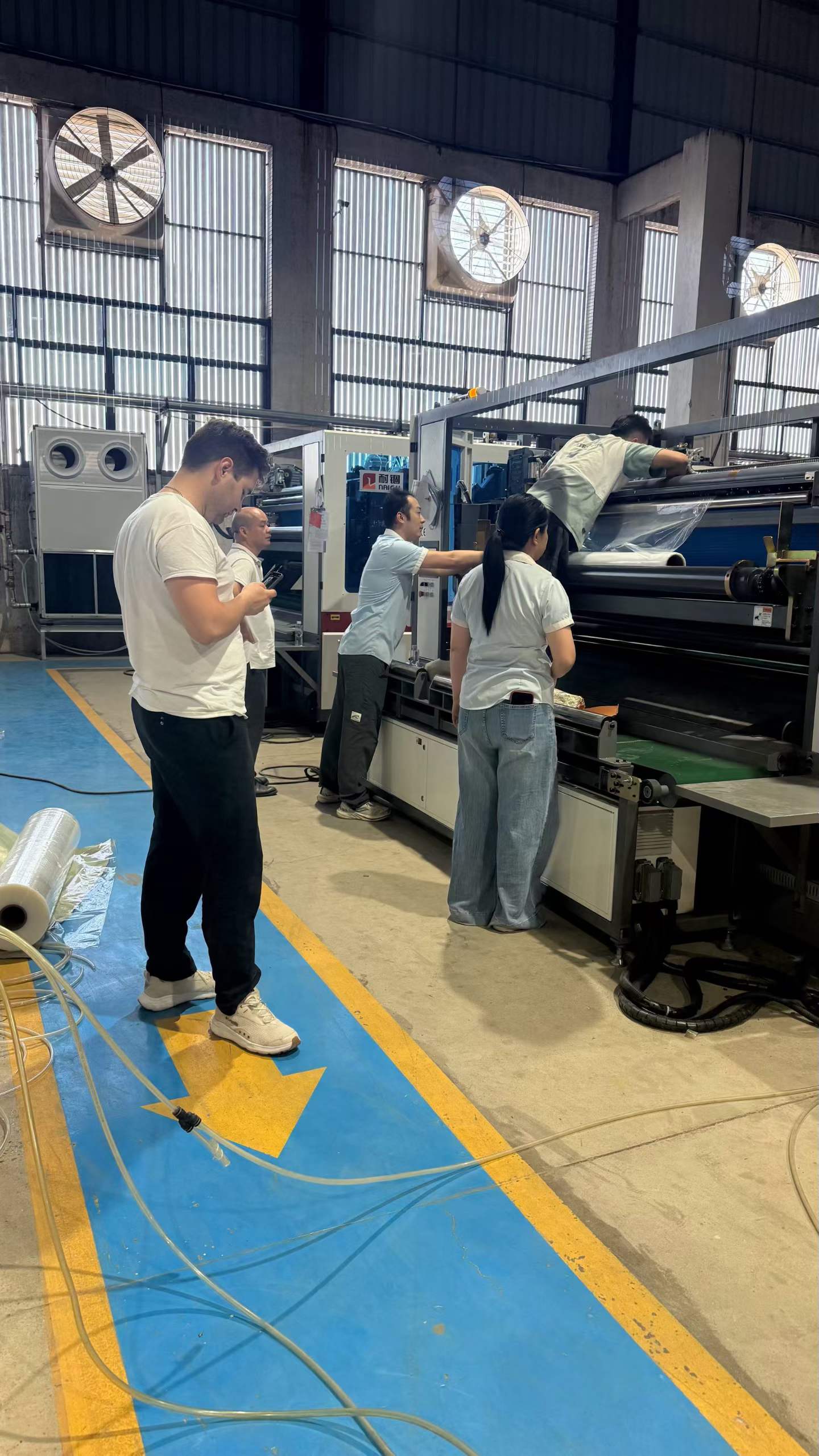
Packing automation changes the workflow of mattress factories by connecting packing operations, reducing repetitive manual handling, improving packing consistency, and supporting more efficient storage and transportation.
The greatest benefits come from choosing equipment that matches the factory's actual production requirements and integrating it effectively into the existing workflow. Whether upgrading a single packing station or building an integrated automated line, mattress manufacturers can use packing automation to create a more organized and scalable production process.
NAIGU provides mattress packing machines, compression roll packing equipment, and customized packing solutions for different manufacturing requirements. Contact our team to discuss your mattress specifications, production capacity, and factory layout.


