Categories
How Mattress Factories Optimize Warehouse Space |NAIGU
Efficient warehouse management helps mattress factories make better use of limited storage space and improve inventory flow. This article explains how mattress compression, standardized packing, optimized layouts, and material handling can reduce storage pressure and support more efficient production and shipping.
Sep 10th,2026
54 Views
Warehouse space is an important operational resource for mattress manufacturers. As production volumes increase, storing finished mattresses, raw materials, packing materials, and semi-finished products can quickly put pressure on available space.
For manufacturers serving wholesale and export markets, improving warehouse utilization can reduce unnecessary handling, simplify inventory management, and support more efficient production and shipping.
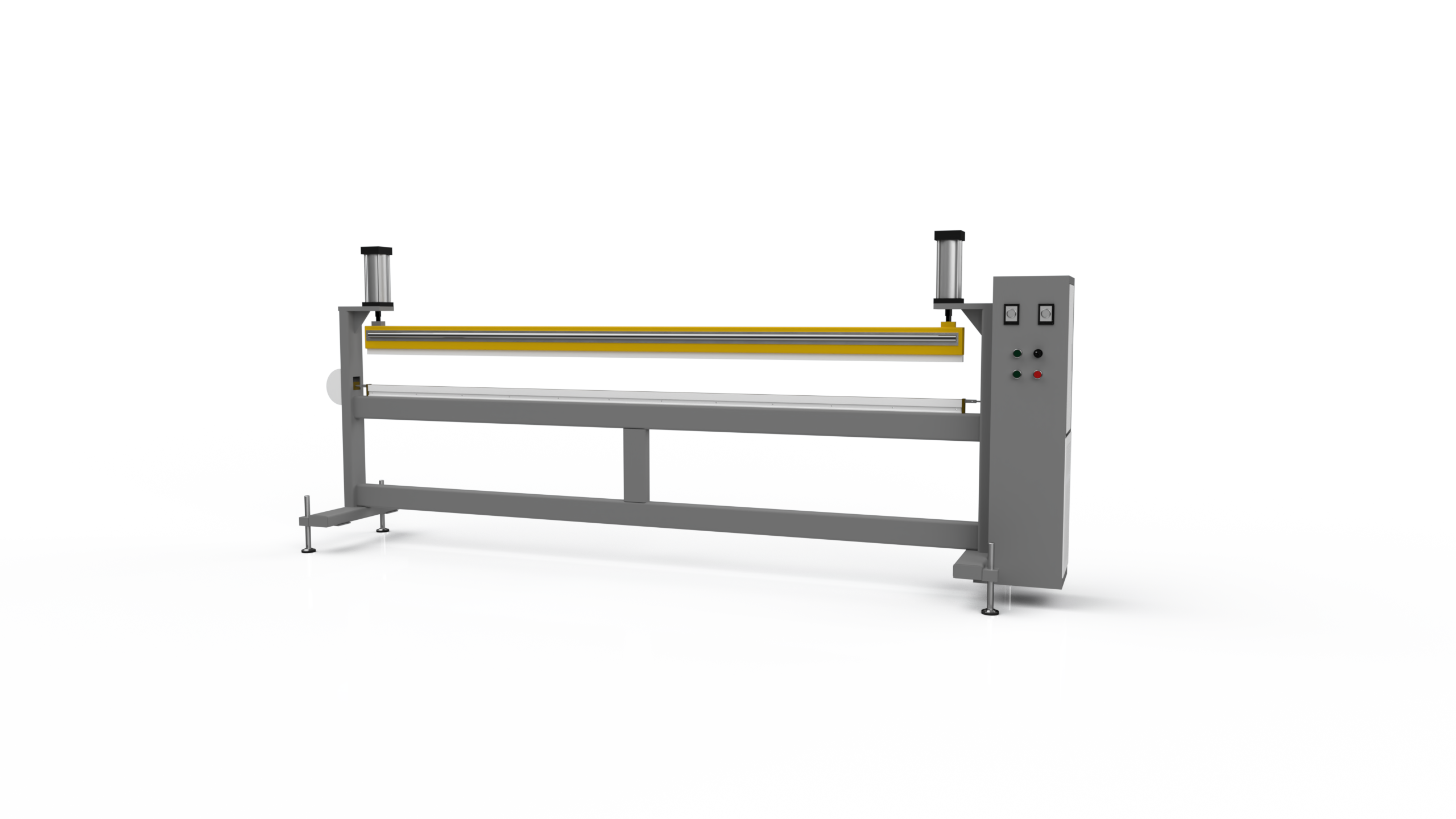
Why Warehouse Space Matters for Mattress Factories
Mattresses are bulky products that require considerable storage volume. Traditional unpacked mattresses can quickly occupy large areas, especially when factories produce hundreds or thousands of units for distributors and retailers.
An efficient warehouse strategy should focus on reducing unnecessary space consumption while keeping products accessible and organized.
1. Use Mattress Compression Packing
One of the most effective ways to reduce finished-product storage volume is mattress compression packing.
A mattress compression machine can reduce the volume of suitable mattresses before they are sealed with packing film. The resulting compact packages are easier to stack, handle, and organize.
For export-oriented manufacturers, compression can also improve container utilization during shipping.
The actual volume reduction depends on mattress construction, materials, and compression performance.
2. Optimize Vertical Storage
Warehouse space should be evaluated both horizontally and vertically.
Using suitable racks and shelving can help manufacturers make better use of available vertical space. However, the storage method should match the dimensions, weight, and stability of mattress packages.
Compressed and standardized packages can be easier to organize than bulky unpacked mattresses.
3. Standardize Finished Package Sizes
Consistent package dimensions can simplify warehouse planning.
When mattresses are packed using standardized film widths and controlled compression processes, finished packages can be arranged more efficiently.
Standardized packages can also make stacking, counting, labeling, and inventory movement easier.
4. Improve Material Storage
Finished mattresses are not the only products occupying warehouse space.
Factories also need to store:
-
Foam
-
Spring components
-
Fabric
-
Mattress borders
-
Packing film
-
Cardboard
-
Labels
-
Other production materials
A clear storage system can separate raw materials, work-in-progress products, finished mattresses, and packing supplies.
Reducing unnecessary inventory can also free up valuable warehouse capacity.
5. Reduce Unnecessary Product Movement
An inefficient factory layout can cause mattresses to move back and forth between production and storage areas.
A better workflow places storage zones close to the relevant production stages without interfering with production flow.
For example:
Production → Quality Inspection → Compression → Packing → Finished Goods Storage
This sequence can reduce unnecessary handling and shorten internal transportation distances.
6. Use Mattress Packing Machines
A mattress packing machine can help factories create compact and consistent finished packages.
Compared with manual packing, machine-assisted packing can standardize film wrapping, sealing, and package dimensions.
For high-volume factories, automated packing can also reduce repetitive handling and support a more organized end-of-line process.
7. Improve Inventory Rotation
Warehouse efficiency also depends on how quickly inventory moves.
Manufacturers should organize products according to order priority, production date, mattress model, and destination market.
Clear labeling and systematic inventory tracking can help reduce unnecessary searching and movement inside the warehouse.
8. Prepare for Export Shipping
Export manufacturers should consider container loading when designing finished-product storage.
Mattresses that are compressed and packed into compact packages can be transferred more efficiently from the warehouse to the loading area.
An export-oriented workflow can be organized as:
Mattress Production → Packing → Finished Goods Storage → Order Preparation → Container Loading
This helps connect warehouse management with transportation planning.
9. Automate Material Handling
As production volume increases, manual warehouse handling can become a bottleneck.
Factories can consider conveyors, lifting equipment, transfer systems, and other material-handling solutions to reduce repetitive movement.
Automation should be introduced according to actual production volume and warehouse requirements rather than simply adding equipment.
10. Monitor Warehouse Utilization
Regularly measuring warehouse utilization can help manufacturers identify inefficient areas.
Useful indicators include:
-
Storage volume per mattress
-
Available versus occupied space
-
Inventory turnover
-
Finished goods dwell time
-
Internal handling distance
-
Packing output
-
Container loading efficiency
Tracking these indicators can help factories continuously improve warehouse operations.
How Compression Supports Warehouse Efficiency
For suitable mattresses, compression can provide benefits beyond transportation.
A compact finished package may require less floor space, making it easier to organize inventory and create additional room for production materials or new orders.
For factories with limited warehouse capacity, investing in a mattress compression machine can therefore become part of a broader space-optimization strategy.
Choosing the Right Mattress Packing Solution
Manufacturers should consider several factors before investing in compression and packing equipment:
Mattress Specifications
Evaluate mattress size, thickness, materials, and construction.
Production Volume
Choose equipment based on current output and expected future growth.
Warehouse Capacity
Consider how many finished mattresses need to be stored and for how long.
Packing Film
Film width, thickness, strength, and sealing performance should match both the mattress and machine.
Factory Layout
The machine should be positioned to minimize unnecessary movement between production, packing, and storage.
Conclusion
Mattress factories can optimize warehouse space by combining compression packing, standardized package sizes, organized inventory management, efficient layouts, and suitable material-handling systems.
For suitable products, mattress compression can significantly reduce finished-product volume and make storage, stacking, and export preparation more efficient.
The best strategy depends on mattress specifications, production volume, warehouse capacity, and logistics requirements. By integrating the right mattress compression machine and packing workflow, manufacturers can make better use of their existing space while supporting future production growth.
NAIGU provides mattress compression and packing solutions for manufacturers looking to improve production, storage, and shipping efficiency.
Contact NAIGU to discuss a mattress packing solution for your factory.


