Categories
From Sofa Assembly to Roll Packing: Building an Efficient Workflow |NAIGU
An efficient sofa workflow connects assembly, quality inspection, compression, and roll packing to reduce manual handling and improve production efficiency. This article explains how sofa manufacturers can optimize their workflow and use compression roll packing to improve storage, transportation, and logistics efficiency.
Sep 7th,2026
55 Views
For sofa manufacturers, production efficiency does not depend on a single machine. A well-organized workflow connecting sofa assembly, inspection, compression, and roll packing can help factories reduce handling time, improve space utilization, and prepare finished products for transportation.
For manufacturers producing sofas for wholesale, export, or large-volume orders, building an efficient workflow from assembly to final packing is especially important.
What Is a Sofa Production and Roll Packing Workflow?
A typical workflow connects several stages:
Sofa Assembly → Quality Inspection → Positioning → Compression → Roll Packing → Sealing → Storage or Shipping
Each stage should work smoothly with the next one. Unnecessary movement, waiting time, or manual handling between processes can create bottlenecks and increase labor costs.
An efficient workflow aims to keep products moving steadily from production to final packing.
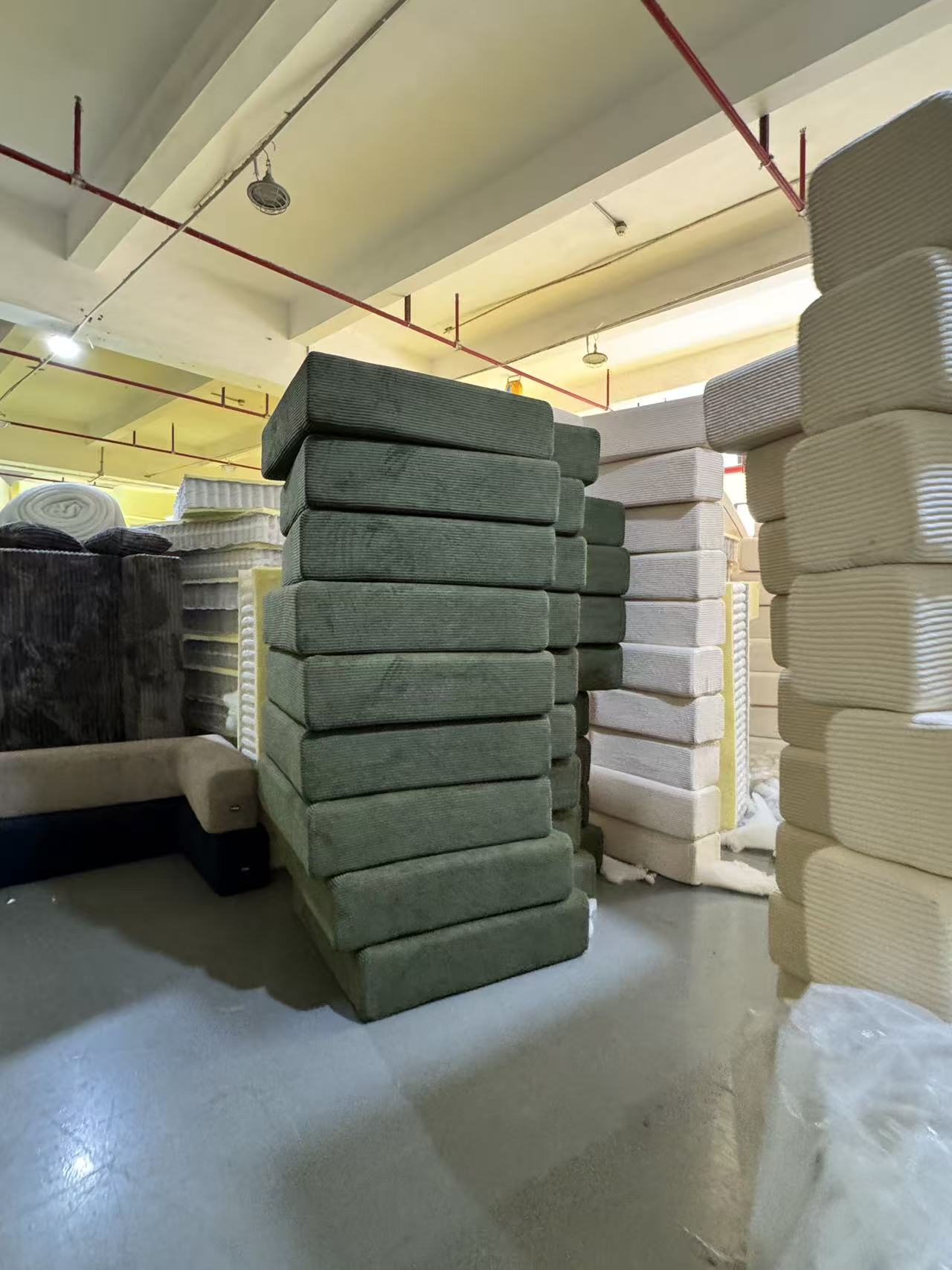
1. Start With Efficient Sofa Assembly
The first step is to establish a stable assembly process.
Sofa frames, cushions, covers, and other components should be assembled according to standardized procedures. Proper organization at this stage can make subsequent inspection and packing easier.
Manufacturers should also consider the final packing method when planning sofa production. Sofas intended for compression roll packing may require appropriate product construction and material characteristics.
2. Add a Quality Inspection Stage
Before compression and roll packing, sofas should be inspected for appearance, dimensions, stitching, cushions, and other quality requirements.
Detecting problems before packing prevents defective products from entering the final packing process and reduces the need to reopen compressed packages.
A clearly defined inspection station can therefore improve both production control and packing efficiency.
3. Prepare Sofas for Compression
Before entering a sofa compression machine, the product should be correctly positioned.
The compression process depends on factors such as:
-
Sofa dimensions
-
Cushion structure
-
Foam characteristics
-
Product density
-
Sofa design
-
Required final package size
Not every sofa has the same compression requirements. Manufacturers should test different models to determine suitable compression parameters.
4. Connect Compression With Roll Packing
After compression, the sofa can enter the roll packing process.
A sofa compression roll packing machine combines compression and packing operations to create a compact package that is easier to handle and transport.
This is particularly useful for large sofas and sectional furniture because reducing the packed volume can improve transportation and warehouse efficiency.
5. Reduce Unnecessary Manual Handling
Manual movement between assembly, inspection, compression, and packing can consume significant labor.
A well-designed production layout can reduce unnecessary transportation by placing related processes in an appropriate sequence.
Depending on factory capacity and available space, manufacturers can use conveyors, transfer equipment, or organized workstations to improve material flow.
Reducing unnecessary handling can also lower the risk of product damage during internal transportation.
6. Improve Warehouse and Shipping Efficiency
Roll packing can significantly change the way sofas are stored and transported.
Compared with unpacked sofas, compressed roll-packed products occupy less space. This can help manufacturers:
-
Use warehouse space more efficiently
-
Load more products into transportation vehicles
-
Improve container utilization
-
Simplify product handling
-
Reduce storage requirements
For sofa exporters, efficient roll packing can be especially valuable because international transportation costs are strongly influenced by cargo volume.
7. Select the Right Packing Film
Packing film is an important part of the roll packing workflow.
The film needs to provide sufficient strength, flexibility, and sealing performance for the compression process and transportation environment.
Manufacturers should consider:
-
Film thickness
-
Film width
-
Tensile strength
-
Puncture resistance
-
Sealing performance
-
Film stretchability
-
Sofa size and weight
-
Transportation distance
Machine settings and film specifications should be matched to the sofa being packed.
8. Consider Semi-Automatic or Automatic Workflows
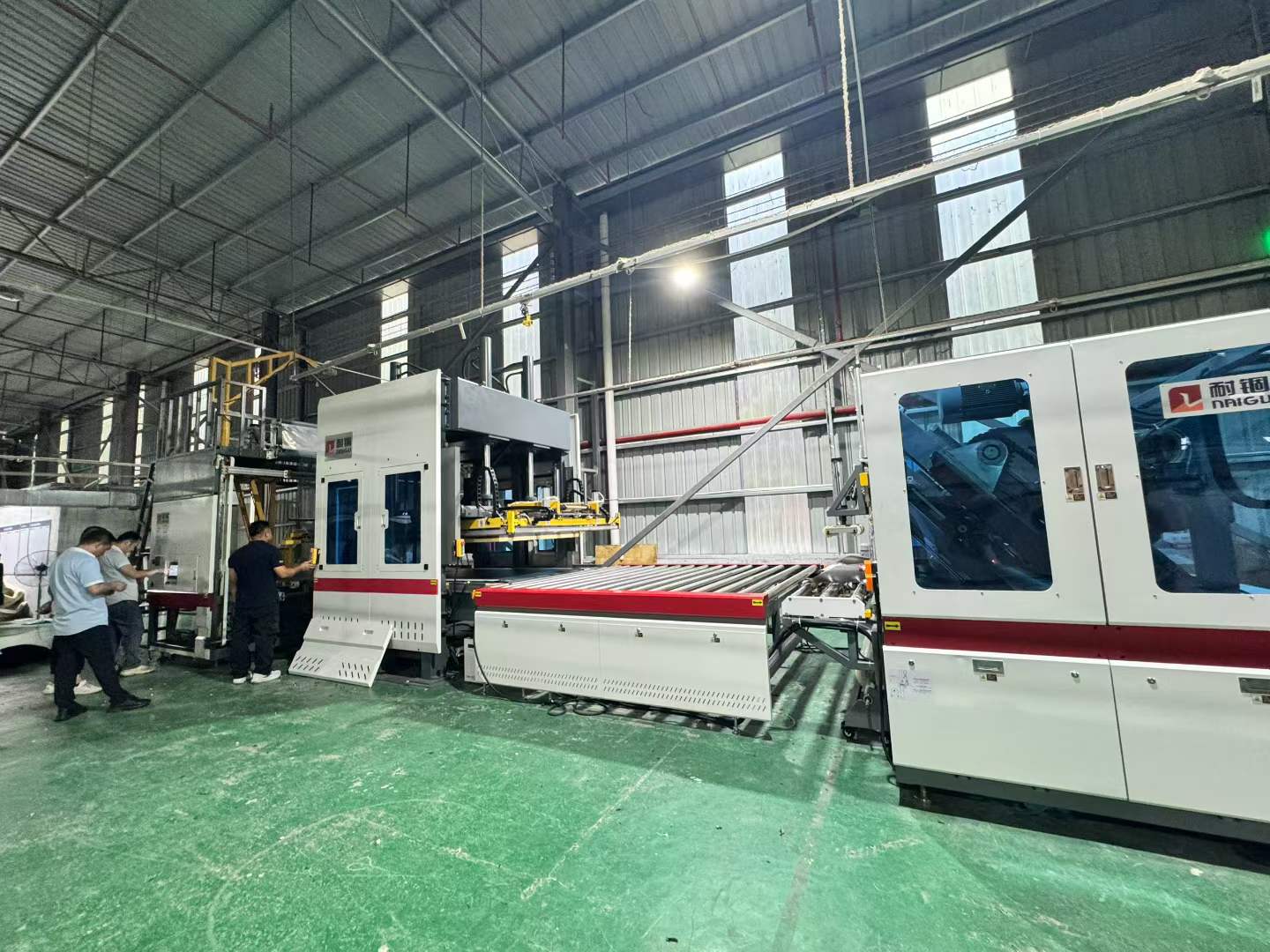
The appropriate automation level depends on production volume.
For small and medium-sized sofa factories, semi-automatic equipment can reduce repetitive labor while maintaining operator flexibility.
For high-volume manufacturers, a more integrated workflow can connect sofa handling, compression, roll packing, and finished-product transfer.
Automation can help improve packing consistency and reduce production bottlenecks without requiring every stage of sofa manufacturing to be fully automated.
How to Build a More Efficient Sofa Packing Workflow
Before purchasing equipment, manufacturers should evaluate the entire production process rather than focusing only on one machine.
Key questions include:
-
How many sofas are produced per day?
-
What sofa sizes and designs are manufactured?
-
Which production stage creates the biggest bottleneck?
-
How much manual handling is required?
-
What final package dimensions are required?
-
How are finished sofas transported?
-
How much warehouse space is available?
-
Is future production growth expected?
The answers can help determine whether a standalone compression machine, a roll packing machine, or a more integrated sofa packing solution is appropriate.
Conclusion
An efficient sofa workflow should connect assembly, inspection, compression, and roll packing into a coordinated process. By reducing unnecessary handling and using suitable compression and packing equipment, manufacturers can improve production efficiency and prepare sofas for more efficient storage and transportation.
For factories producing sofas for wholesale and export markets, a sofa compression roll packing machine can be an important part of an efficient end-of-line packing solution.
NAIGU provides sofa compression and roll packing solutions for different sofa sizes, designs, and production requirements. Contact NAIGU to discuss a suitable sofa packing workflow for your factory.


